

Dodge Durango
Departments shopping Dodge Durango Pursuit lights are usually not trying to copy a full size SUV package or a sedan package. The Durango sits in its own lane. It has pursuit style road presence, but it still needs the rear warning, traffic control, and police SUV visibility officers rely on in the field. Buyers searching Dodge Durango police lights, Dodge Durango emergency lights, Dodge Durango strobe lights, or Durango emergency vehicle lights usually need one outcome: a warning package that hits fast from the front, reads clearly at traffic level, and keeps working from the rear after the stop begins.
This page is built for the Dodge Durango Pursuit, not a standard consumer Durango. Buyers searching Dodge Durango Pursuit lights or a Dodge Durango police light package usually need a setup built for patrol, traffic, supervisor, or slicktop work. For the broader vehicle fitment hub, start with police cars, trucks, and SUVs. To explore our complete range of warning products, see our main police lights category.
Shop by Category






Why the Dodge Durango Pursuit needs a pursuit first lighting strategy
The Durango should not be built like a generic utility vehicle with emergency lights added later. It rewards a sharper front signature than most police SUVs because the platform looks and feels more pursuit oriented. A generic SUV plan can leave the front too soft, the traffic level warning too thin, and the rear too late to react. The best Dodge Durango police light package feels intentional from nose to hatch.
On this platform, more equipment is not automatically better. Better sequencing is better. Lead with fast front warning. Add police lights lower on the vehicle where drivers catch them in mirrors, at intersections, and during lane changes. Then finish the package with rear warning and strobe zones that protect the vehicle once it is parked on a stop, shielding a lane, or working a roadside scene. That is how Durango emergency vehicle lights should be planned when the goal is real field performance.
The Dodge Durango Pursuit also gives departments police specific hardware that supports a more serious warning package. Features like the 220 amp heavy duty alternator and heavy duty engine cooling matter because they help support higher duty cycle use for police lights, sirens, and roadside warning equipment.
Best Dodge Durango Pursuit lights by mission
| Durango Build | What Matters First | Best First Category | Best Supporting Category |
|---|---|---|---|
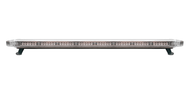
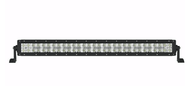
| Marked patrol or highway unit | Immediate recognition, strong front command, balanced warning at speed | Roof light bars for Dodge Durango Pursuit | Grille and surface mount police lights for Dodge Durango Pursuit |
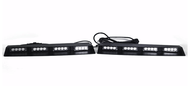
| Slicktop or lower profile unit | Clean exterior, fast windshield warning, hidden strobe support | Dash lights for Dodge Durango Pursuit | Hideaway strobe lights for Dodge Durango Pursuit |
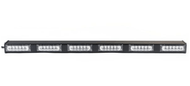
| Traffic, crash, or roadside unit | Rear directional warning, lane protection, visibility while stationary | Traffic advisor lights for Dodge Durango Pursuit | Rear hatch and rear glass warning lights for Dodge Durango Pursuit |
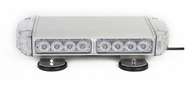
| Supervisor or mixed duty unit | Useful warning without wasting cabin space or overbuilding the roof | Mini light bars for Dodge Durango Pursuit | Visor lights for Dodge Durango Pursuit |
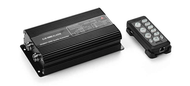
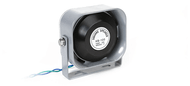
| Roadside scene or perimeter unit | Usable task light after arrival, not just flash during response | Scene lights for Dodge Durango Pursuit | Sirens for Dodge Durango Pursuit |
The front signature is where a Durango package wins or loses
A lot of police SUV pages talk about overall coverage first. The Durango needs a different starting point. It needs front authority first. This platform has the face and stance of a pursuit SUV, so the front warning package has to read fast in mirrors, at intersections, and in lane merge situations. That is why many Dodge Durango Pursuit lights packages perform best when one dominant front warning layer is reinforced by traffic level warning instead of relying on overhead warning alone.
This is also why a Dodge Durango light bar question is only part of the decision. Some builds absolutely need strong overhead command. Others work better when the upper warning is paired with aggressive lower warning and selective strobe coverage that makes the SUV feel sharper, not bulkier. On a Durango, the best police lights are the ones that make the vehicle unmistakable before drivers get close enough to hesitate.
Rear warning is what turns a fast SUV into a safer traffic unit
A lot of emergency vehicle lights look impressive from the front and go flat from the rear. The Durango should not. This platform gives buyers enough rear glass and hatch opportunity to build a real rear warning zone, and that matters once the vehicle is no longer chasing attention and is instead protecting a stop.
If the Durango will spend real time on highway shoulders, DUI stops, crash scenes, blocked lanes, or traffic enforcement details, rear warning has to be treated like core equipment. Directional warning, rear facing strobe output, and a stronger rear emergency signature often do more to protect the scene than adding another layer of flash to the nose. That is one of the clearest opportunities for Dodge Durango police lights to outperform a generic SUV setup.
Slicktop Durango builds need hidden authority, not a stripped down package
A slicktop Durango should not feel unfinished. It should feel deliberate. The strongest lower profile builds use interior warning, compact traffic level police lights, and hidden strobe zones to keep the vehicle clean when the system is off but unmistakable when the warning package is live. Hidden lighting works best when it reinforces the main warning strategy, not when it tries to replace it.
That is especially important on a Durango because the vehicle still needs to project authority in traffic. A low profile build should look controlled, not timid. This also matters for surveillance style use where the vehicle may need to stay visually quiet until warning is actually needed. If the real buying intent is covert first rather than visible patrol, start with undercover police lights.
Marked patrol, traffic, and supervisor Durangos should not share the same answer
A marked patrol Durango usually needs faster recognition and a stronger front signature. A traffic unit usually needs more rear control and better stop protection. A supervisor unit usually needs a cleaner footprint that still delivers real warning without eating up cabin function or making the SUV feel overbuilt.
That difference matters because people often search Dodge Durango police light kit or Dodge Durango emergency lights as if there is one correct package. There is not. There are better answers for marked patrol, better answers for slicktop response, and better answers for stop heavy traffic duty. The strongest Durango setup is the one that matches assignment first and products second.
Build the Dodge Durango Pursuit package in the right order
Recognition comes first. Decide how the vehicle needs to announce itself the moment it appears. Reaction comes second. Add warning where other drivers actually notice it quickly, especially at traffic level and from the front corners. Protection comes third. Finish the rear as if the Durango will spend real time stopped in live traffic, because many of them do. Control comes last. Add the audible and scene light support that turns the warning package into a complete emergency vehicle system.
That order is what separates a random parts list from a real Dodge Durango Pursuit police light package. It also helps buyers decide whether they truly need a simple light kit or a more specialized, multi zone configuration. For this platform, category planning usually produces the stronger result because the Durango can be marked, slicktop, supervisor, traffic focused, or mixed duty without losing its identity as a pursuit capable police SUV.
Color configuration for Dodge Durango Pursuit police lights
For many marked units, red and blue strobe lights are the most common starting point because they match the traditional police response profile and create faster recognition in traffic. Agencies that run a single color standard can also compare red strobe lights or blue strobe lights based on vehicle role, department policy, and local practice. Before finalizing any warning package, verify the color configuration against the State Statutes Guide so the setup matches your state requirements.
Compare other police vehicle fits
For a police SUV comparison built around broad patrol utility, see Ford Police Interceptor Utility lights
For a full size patrol and roadway blocking comparison, see Chevy Tahoe PPV lights.
For a same brand pursuit sedan comparison, see Dodge Charger Pursuit lights.
Fleet and agency buying considerations
One Durango is a fitment choice. Multiple Durangos become a standardization choice. Standardizing your equipment across the Durango platform ensures operational consistency, simplified maintenance, and repeatable installation logic for your entire agency. For department-wide procurement support, see our law enforcement fleet lights.
Frequently Asked Questions
What are the best Dodge Durango Pursuit lights?
The best Dodge Durango Pursuit lights usually come as a layered package, not a one product answer. Most builds perform best with a fast front warning layer, traffic level police lights, strong rear warning, and selective strobe support that keeps working during stops, lane protection, and roadside scenes.
Does every Dodge Durango Pursuit need a light bar?
No. Some marked patrol units benefit from a strong Dodge Durango light bar strategy, but other builds perform better with a tighter front warning package built around windshield coverage, lower mounted warning, and rear protection. The right answer depends on role, visibility needs, and how the vehicle is deployed.
Where should rear warning go on a Dodge Durango police SUV?
Rear warning usually performs best in the rear glass, hatch area, and other rear facing zones that stay readable to approaching traffic. On this platform, rear warning should be planned as carefully as the front because the Durango often works active roads, stops, and lane control situations where the rear of the vehicle becomes the safety side.
Are Dodge Durango strobe lights enough for a slicktop build?
Usually not by themselves. Dodge Durango strobe lights are strongest when they reinforce the main warning package rather than carrying the entire setup alone. A slicktop Durango usually works better when hidden strobe coverage supports interior warning and traffic level visibility.
What makes a Durango police light package different from a full size SUV package?
The Durango usually rewards a sharper, faster front signature and cleaner packaging than a bigger cargo first patrol SUV. It still needs strong rear warning, but it often performs best when the package feels pursuit oriented rather than simply oversized. It also benefits from police duty hardware that supports a more serious warning package, including the kind of power and cooling capacity departments expect from a pursuit vehicle.
Should I buy a Dodge Durango Pursuit light kit or build by category?
That depends on the mission, but many buyers get a better result by building the Durango package by category. That approach lets the warning system match marked patrol, traffic, slicktop, supervisor, or mixed duty use instead of forcing one generic kit onto every vehicle.
Are traffic advisors worth it on the Dodge Durango Pursuit?
Yes, especially for stop heavy patrol, traffic enforcement, roadside response, and shoulder work. A traffic advisor makes rear warning more useful by adding directional control instead of relying on flash alone.
What are the best emergency vehicle lights for the Dodge Durango Pursuit?
The best emergency vehicle lights for the Dodge Durango Pursuit usually combine a strong front warning strategy, traffic level police lights, rear protection, selective strobe reinforcement, and the right siren or scene light support for the unit’s actual job. The right mix depends on whether the vehicle is marked, slicktop, supervisor driven, traffic focused, or mixed duty. For many marked units, color selection matters too, especially when choosing between red and blue, single color, or mixed warning packages.