


Hideaway Light Videos
Hideaway LED strobe lights are designed for maximum warning visibility with a stealth install. Most hideaway heads mount inside headlight or tail light housings, so your vehicle maintains a clean OEM look until the lights are activated.
This page features real customer submitted videos of LED hideaway strobes and strobe tube kits on actual vehicles. Use the clips to compare daytime brightness, night visibility, flash patterns, and how different mounting locations change the way the light looks on the road.
ETD organizes customer install videos by product type to help buyers research real world setups before purchasing.
Ready to shop after watching the videos?
Shop Hideaway Strobe Lights
Hideaway Lights
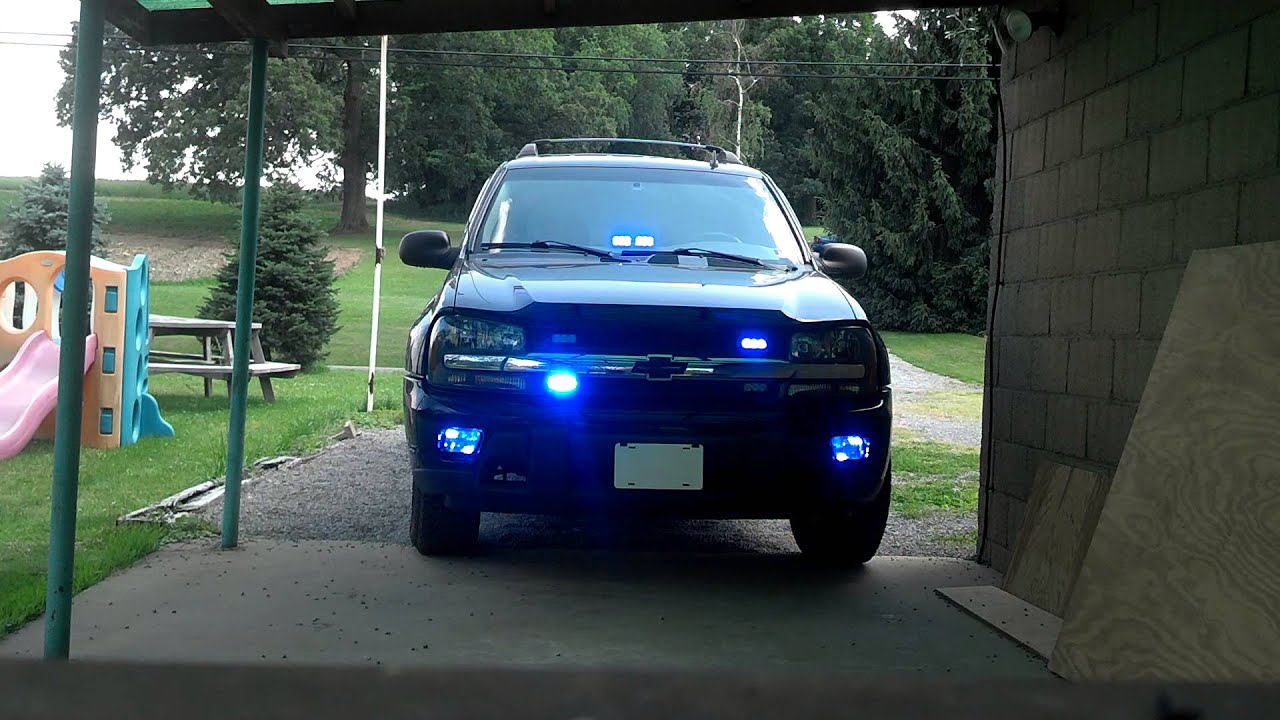
New lights on POV from Extreme Tactical Dynamics
LED dual blue/blue on dash Halo 3 on grill LED 9 in fog lights

Hideaway Lights
Extreme Tactical Dynamics Undercover 8 on F-150
Extreme Tactical Dynamics Undercover 8 random flash patterns on POV fire/ first responder F-150. Foxtrot dashlight in windshield.

Hideaway Lights
2008 GMC LED Hideaways from Extreme Tactical Dynamics
LED hideaway from ExtremeTacticalDynamics. VERY BRIGHT!! This video was taken at 4:00PM on a sunny day, just under a shade tree. These lights are as bright or brighter than any I've ever seen.

Hideaway Lights
Extreme Tactical Dynamics Review
1 Led Quad, 2 Deck 2 Dual Led Deck Lights under my running boards, 2 Undercover 8 and 2 LED Hideaway 8 on the rear of my truck. I also have a 100 Watt siren speaker that is really Loud and will clear traffic in a hurry..

Hideaway Lights
Ford F250 POV Blue Lights Night Time
POV Blue Light setup

Hideaway Lights
Ford F250 LED Hideaways
Hideaways: Extreme Tactical Dynamics LED Hideaway 9

Hideaway Lights
GMC Sierra LEDs
2008 GMC Sierra with Extreme Tactical Dynamics LED lights plus wigwags. Foxtrot Dash light, 9 LED Hideaways.
You can also check out our full line up of Emergency Vehicle Lights for Sale
What You Can Learn From These Hideaway Install Videos
Real world brightness and visibility
Customer footage shows how hideaways perform in full sun, shade, and at night. This helps you judge whether a simple front pair is enough or if you need front and rear coverage.
How the housing affects the output
Hideaways install behind factory lenses and reflectors. These videos show the difference between reflector styles, clear lenses, and smoked lenses, and how well the pattern reads from different angles.
Flash patterns in motion
Many hideaway systems offer rapid fire style patterns plus single, double, triple, and quad bursts. Seeing patterns on a moving vehicle helps you choose something readable for your environment.
Common Hideaway Light Mounting Locations
Headlights
A common choice for forward warning because the install stays concealed. Watch for beam spread, side angle visibility, and how the reflector shape changes the look.
Tail lights and brake light housings
A popular option for rear warning on POVs and work vehicles. The videos help you compare pattern clarity through red lenses versus clear sections.
Reverse housings and auxiliary lenses
Useful when reflector space is limited or when you want a dedicated rear warning effect. Pay attention to how the light reads at distance and whether the lens diffuses or focuses the pattern.
Strobe tube kits inside the housing
Tube kits mount inside the lens assembly and are typically controlled from a power supply with pattern control. The videos show real brightness and the clean hidden until activated look.
Sync, Alternating, and Control Tips
Synchronized flash vs alternating flash
Synchronized flashing creates a unified warning signature. Alternating flashing left right or front rear can create more movement and stronger directional awareness. The videos make it easy to compare both.
Plan your wiring before you drill
Hideaway installs usually require drilling the housing, routing wires through existing grommets, and choosing a controller and switch location. Watching a few installs first helps you plan the layout and reduce rework.
Build a balanced setup
For real on road warning, most vehicles need both front and rear coverage. Use the videos to compare two head setups versus multi head installs for broader visibility.
Compliance Note
Use only what is legal for your role and location
Warning light colors and permitted use vary by state and vehicle role. If you are unsure what is allowed where you operate, reference our state statutes guide before installing or activating warning lights.
State Statutes
Submit Your Hideaway Video
How to get featured
Send us your YouTube link and include the product name, vehicle type, and the colors used. If your setup uses multiple ETD products, list the full setup so we can place your video in the correct category.
Contact Us
What makes a video most helpful
A steady angle, a short daytime clip, a short night clip, and a quick pattern demo. Even a phone video is useful when the mounting location and light output are clear.
Hideaway Video Comparison Table
| Video topic | What to look for | Why it matters | Common install locations |
|---|---|---|---|
| Daytime visibility | Brightness in direct sun and at distance | Confirms real warning performance in traffic | Headlights, tail lights |
| Night performance | Pattern clarity without excessive glare | Helps prevent washout and improves readability | Tail lights, reverse housings |
| Lens and reflector effect | How the housing changes the output and spread | Determines how well the light reads from angles | Reflectors, clear lens sections, smoked lenses |
| Flash patterns | Rapid fire, single, double, triple, quad style bursts | Impacts attention capture and recognition in motion | Front pairs, rear pairs, multi-head builds |
| Sync vs alternating | Heads flashing together vs left-right alternation | Changes perceived urgency and directional awareness | Headlight pairs, tail light pairs |
| Install complexity | Drilling, wire routing, controller and switch placement | Helps you plan time, tools, and head count | Engine bay routes, trunk routes, cabin switch locations |
Hideaway Video FAQs
What is the difference between hideaway strobes and strobe tube kits?
Hideaway strobes are compact light heads that typically install into headlight or tail light housings. Strobe tube kits mount tube style strobes inside the housing and are controlled by a power supply. Watch the videos above to see how each style looks when installed and activated.
How many hideaway lights do I need for a useful setup?
Many customers start with a front pair for forward warning, then add a rear pair for balanced front and rear coverage. The videos help you judge whether a two head setup is enough or if you need a multi-head build for broader visibility.
Can hideaway lights synchronize or alternate?
Many setups allow synchronized flashing (together) or alternating flashing (left-right or front-rear). Use the videos to compare which effect is more readable for your environment.
Where do hideaway strobes install most often?
Most installs are in headlight reflectors, tail light housings, reverse housings, or other concealed lens areas. Different lenses and reflectors can change how the pattern looks, so watch for vehicles similar to yours.
Are hideaway strobes legal to use on my vehicle?
Lighting color and permitted use vary by state and by vehicle role. Always verify local rules before installing or using warning lights on public roads. See our State Statutes guide for a starting point.
How do I submit my hideaway install video to ETD?
Send your video link and include the product name, vehicle type, and colors used. If your setup includes multiple ETD products, list the full setup so we can categorize it correctly.