

Green/Amber Strobe Lights
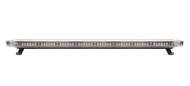
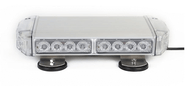
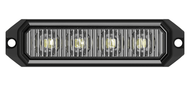
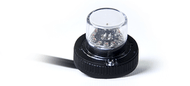
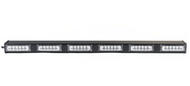
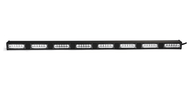
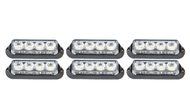
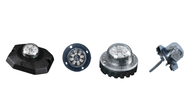
Shop green and amber LED strobe lights for trucks, work vehicles, emergency vehicles, and professional use, including high-visibility green and amber warning lights designed for roadside safety, traffic control, and scene management. These green and amber strobe lights are commonly used on tow trucks, utility vehicles, supervisor vehicles, and incident response vehicles where clear identification and strong driver awareness are critical. Choose green and amber light bars for full 360-degree coverage, or build a custom setup with dash and deck lights, visor light bars, grille and surface mount strobes, hideaway strobe kits, mini light bars, or traffic advisors. All green and amber LED strobe lights are built for high output, durability, and reliable performance, with select models meeting SAE and IP waterproof standards. Serving first responders and professionals since 2005. For broader product coverage, explore all LED strobe lights designed for exterior vehicle mounting, or browse our full range of emergency vehicle lights to compare all categories and configurations.
Shop by Category




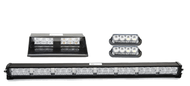
Shop Additional Colors
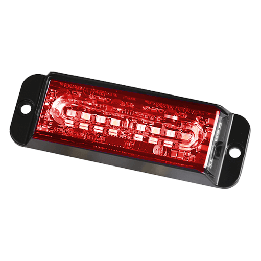
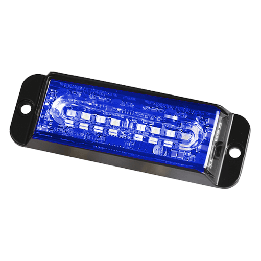
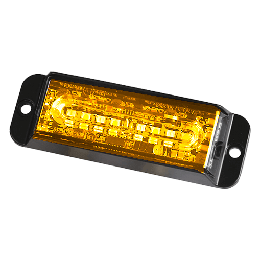
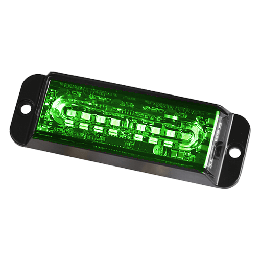
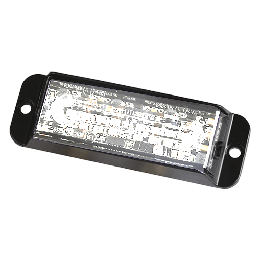
Shop Green and Amber Lights by Category
Browse all LED strobe lights by vehicle and mount style, or shop LED light bars by size and mounting configuration.
Shop Green and Amber Lights by Color
- Red LED Strobe Lights
- Blue LED Strobe Lights
- Amber LED Strobe Lights
- Green LED Strobe Lights
- White LED Strobe Lights
- Red and Blue LED Strobe Lights
- Red and White LED Strobe Lights
- Red and Amber LED Strobe Lights
- Blue and White LED Strobe Lights
- Blue and Amber LED Strobe Lights
- Amber and White LED Strobe Lights
- Green and White LED Strobe Lights
What Green and Amber LED Strobe Lights Are
Green and amber LED strobe lights are dual color warning lights that can display green, amber, or a programmed mix of both. On many light bars and compact strobes, dual color is delivered through separate LED modules or split segments, which lets you run one color during normal operations and switch to a different color mode when the scene changes. You might see the same intent expressed as a “green amber strobe light” when buyers are searching fast and do not add extra words.
Buyers typically choose green/amber for vehicles that transition between roadside work and incident management. A common approach is forward facing green for presence at an incident, paired with rear-facing amber for approaching traffic. Depending on the product, you can also alternate colors in one pattern, split left versus right, or dedicate one color to traffic advisor modes.
The right setup depends on where the vehicle operates, how permanent the install should be, and how much coverage you need at the front, rear, and intersections. If you are building from scratch, start with a primary light (visor, dash, mini bar, or full size bar), then add compact heads to cover the corners and fill blind angles.
Why Choose Green/Amber Strobe Lights (Benefits)
Two in one visibility without changing hardware
Dual color green and amber lights let you standardize one product across multiple vehicles and still support different operating modes. Run amber when you are working a lane closure, slow moving, or parked at a job site. Switch to green when your role requires a clearer scene identifier. This flexibility helps fleets keep fewer SKUs on hand and reduces reinstall time when a vehicle changes assignment.
Better scene communication for mixed duty vehicles
A green/amber combination is a practical fit for vehicles that serve both work zone and response functions, such as supervisors, incident management, and roadside support. Because you can split the output front versus rear, you can emphasize forward warning while keeping rear facing amber for traffic flow. When you need directional control, pair the color combo with arrow or traffic modes on compatible bars.
Cleaner installs with strong output at common mounting points
You do not need a roof bar to get effective green/amber coverage. Compact grille lights, surface mounts, and hideaways can create a strong warning package with minimal exterior footprint. This is ideal when you have garage height constraints, want a lower profile look, or need to keep your roof clear for racks, ladders, and equipment.
Pattern control that scales from one vehicle to a full fleet
Most professional grade strobes include multiple flash patterns and sync capability. That matters if you are building a consistent left right alternation, front rear synchronization, or a traffic advisor sequence that reads the same across trucks, SUVs, and service vans. When patterns and wiring are standardized, training and on scene coordination get simpler.
More coverage with fewer blind spots
Green/amber works best when it is visible from the angles drivers actually approach. A single dash light can be strong up front, but it does not protect the sides or the rear. Adding compact heads at the grille corners, rear corners, or mirror mounts creates intersection warning and side visibility so the light reads before a driver is directly behind you.
Clearer mode separation for operators
If your vehicle runs multiple jobs in one day, dual color can reduce confusion for the operator. Set a simple rule such as amber for travel and work zone caution, green for scene mode. When the modes are consistent, you are less likely to run the wrong pattern, especially in high stress roadside situations.
Shop Green and Amber Lights by Product Type
LED Dash and Deck Lights
Dash and deck lights are a fast way to add green/amber warning power for pickups, SUVs, sedans, and service vehicles. Many models use suction cups or brackets for quick removal, while hardwire options support clean installs with a controller. Use dash for forward warning, then add a rear deck light if you want coverage when stopped on the shoulder.
Shop LED dash and deck lights.
Vehicle Visor Light Bars
Visor light bars mount high in the windshield for excellent forward visibility without putting anything on the roof. Green and amber dual-color visor lights are common when you want a clean daytime profile, strong output at eye level, and quick access to pattern control. This is a strong choice for SUVs and pickups where you want maximum forward warning without exterior hardware.
Shop LED visor light bars.
Grille and Surface Mount LED Strobe Lights
Surface mounts and grille lights are the core building block for many green/amber packages. They fit bumpers, grilles, push bars, headache racks, toolboxes, and mirrors, and they deliver high intensity from a compact footprint. Use them to add intersection warning and fill the angles a dash or visor light cannot cover. They also pair well in matched left right installs where you want a clean, synchronized flash.
Shop grille and surface mount LED lights.
Grille and Surface Mount Light Multi-Packs
Multi packs help you build full 360 degree coverage with matched optics, matching patterns, and consistent wiring. They are ideal for fleet installs where you want identical placement across trucks and vans, or when you need multiple heads up front plus rear facing warning. If you are standardizing a work fleet, multi packs reduce install variation and simplify troubleshooting later.
Shop grille and surface mount light multi-packs.
Hideaway Strobe Light Kits
Hideaway strobes mount inside headlight or tail light housings, or they can be surface mounted with a flange on certain models. They are a smart choice when you want strong output with minimal visible hardware, especially on supervisor vehicles or trucks that need a clean exterior. Plan the install carefully so the head is aligned and the housing stays sealed.
Shop hideaway strobe LED lights.
Hideaway Strobe Light Multi Packs
If you are outfitting multiple corners or you want matched front and rear hideaway heads, multi-packs simplify the job. They reduce mix and match and help you keep pattern synchronization consistent across the vehicle. Choose this route when you want discreet green/amber coverage that still reads clearly from distance and through tinted lenses. Multi head hideaway builds are also a smart way to protect 360 coverage without adding roof hardware.
Shop hideaway strobe light multi-packs.
Mini LED Light Bars
Mini light bars deliver roof level visibility in a compact footprint, typically ideal for pickups, SUVs, UTVs, and service trucks with limited space. Select magnetic mount when you need a temporary solution, or permanent brackets for full time fleet use. Many mini bars include directional functions and work lights depending on model, which helps if you manage traffic at the rear.
Shop mini LED light bars.
Full Size Roof LED Light Bars
When you need maximum 360 degree warning coverage, a full size light bar is the standard. Choose full size green/amber bars for wide road visibility, high speed environments, and vehicles that spend significant time on active roadways. If you frequently run lane control, prioritize bars with built in arrow patterns or traffic advisor modes.
Shop full size roof light bars.
Traffic Advisor Light Bars
Traffic advisors are built for directional control: left, right, center out, and other arrow style sequences depending on the controller and model. Green/amber configurations are often used when you want a distinct scene color plus a strong amber direction signal for drivers approaching from behind. This is a common upgrade for tow, escort, and work-zone vehicles.
Shop LED traffic advisors.
Interior/Exterior LED Light Bars
Interior and exterior light bars are a flexible option when you want a removable bar that can mount to the windshield, rear window, or exterior points depending on the kit. They are popular for shared vehicles and temporary response needs where you want easy move and go deployment. This type also works well when you want rear window coverage without a permanent roof installation.
Shop interior/exterior LED light bars.
How to Choose the Right Green and Amber Strobe Light Setup
A good green/amber setup is less about buying the biggest bar and more about matching coverage to how you work. Use the rules below to narrow down the right form factor, then build outward until you have front warning, rear warning, and intersection coverage that fits your vehicle and the environments you operate in.
Step 1: Decide how permanent the install should be
If you need a temporary solution or you share vehicles, prioritize plug-in dash lights, visor bars, or magnetic mini bars. If the vehicle is dedicated to the job, a hardwired controller with surface mounts and a roof bar gives the cleanest wiring, the most reliable power, and the easiest long-term maintenance. Temporary installs should prioritize quick removal and easy storage when the lights are not in use.
Step 2: Choose your primary visibility angle
Front only emphasis: choose a visor bar or dash light first, then add grille lights for intersection coverage.
Rear emphasis: choose a traffic advisor or rear deck light, then add rear facing surface mounts for corners.
Full coverage: choose a mini or full size roof bar, then add surface mounts for intersection warning.
Step 3: Match the output and optics to your environment
For daytime highway work, prioritize high intensity optics and wide angle coverage so the light reads at distance. For slower speed job sites and tight urban areas, consider lower profile mounts that do not snag equipment and still provide strong side visibility. If the vehicle is frequently exposed to dust, salt, or wash cycles, prioritize sealed housings, corrosion resistant brackets, and wiring that is protected from abrasion.
Step 4: Keep control simple and repeatable
If multiple people drive the vehicle, keep the control interface obvious. Use clearly labeled modes such as amber work, green scene, and direction. When possible, select products that sync patterns so multiple heads flash together rather than creating visual noise. Consistent patterns improve driver comprehension and reduce the chance of distraction.
Step 5: Plan power, wiring, and expansion
Most green/amber warning lights are 12V systems, but you still need to plan how many amps you will draw and where the wiring will run. Decide if you want a single controller that handles everything or separate switches for a simple build. If you expect to add lights later, choose products that support sync wiring and standard connectors so expansion is clean instead of a full rework.
Three proven green/amber build examples
- Supervisor pickup or SUV (minimal exterior hardware): visor bar for front warning, two to four grille or surface mounts for corners, and a rear traffic advisor for lane control.
- Tow or roadside truck (rear safety priority): mini roof bar for 360 coverage, rear traffic advisor or rear window bar for direction, and rear facing surface mounts to fill corner angles.
- Utility or construction fleet truck (standardized fleet package): fixed mount mini or full size bar, matched surface mount multi pack for front and rear corners, and hideaway heads if you need clean lines around racks and equipment.
Best Uses and Vehicle Fitment for Green and Amber Lights (Industries + Vehicles)
Tow and recovery trucks, wreckers, and roadside response
Green/amber is useful when your truck needs high recognition caution plus a clear scene signal when you are on a shoulder or recovery site. This is common on tow trucks, wreckers, and roadside service pickups where rear facing amber and directional control help manage traffic flow.
Shop tow truck and wrecker lighting.
Construction, roadway work zones, and traffic control
For construction supervisors and roadway crews, amber remains a primary safety signal, and green can be used as an additional scene identifier based on company policy and local rules. This combo works well on pickups, service vans, and work trucks that move between job sites and active lanes.
Shop construction vehicle lighting.
Utility fleets, service trucks, and on-call maintenance
Utility and service vehicles often need lighting that works in bright sun, rain, and low visibility conditions while staying durable in harsh environments. Green/amber dual color supports job site caution plus on scene presence for service calls, especially on bucket trucks, pickups, and service vans.
Shop utility vehicle LED lights.
Pilot cars and escort vehicles
Escort work is highly directional, with a constant need to be seen from distance and from the rear when controlling merges. Green/amber setups pair well with traffic advisor style patterns and rear focused warning, especially on SUVs and pickups used as pilot cars.
Shop pilot and escort vehicle lighting.
Volunteer fire, incident management, and command support
Many volunteer and incident support vehicles need flexible warning modes that can adapt to different calls. Green/amber can support scene management needs while still providing strong amber caution output for traffic. Use this setup on POVs, SUVs, and command trucks when policy allows.
Shop volunteer firefighter lighting.
Heavy duty commercial fleets and slow-moving work vehicles
For heavy duty commercial vehicles that operate in mixed traffic, strong amber warning is essential, and green can add an additional scene signal for supervisors or specialty units. This combination is common on heavy duty trucks and specialty rigs where visibility and durability matter more than compact size.
Shop heavy duty commercial vehicle warning lights.
Green and Amber Color Meaning and Visibility Dynamics
Green and amber is a high contrast combination that stays readable across changing backgrounds, such as bright sky, wet pavement, reflective signs, and work zone lighting. Amber is widely associated with caution and work zone awareness, which is why it is commonly used on construction, utility, and roadside vehicles. Green is often used by organizations as a scene, command, or specialty identifier, but the exact meaning and authorized use can vary by jurisdiction, agency policy, and industry standards.
From a practical visibility perspective, amber tends to carry well in dust, fog, rain, and heavy glare, and it remains easy to interpret at distance. Green can stand out strongly against typical roadway lighting and can reduce confusion when the scene already includes many amber sources. In a busy environment, the simplest approach is to assign a clear job to each color and keep it consistent: amber for caution and lane control, green for a distinct on scene mode when your policy allows.
In practice, many buyers use green to help a supervisor or command vehicle stand out when several units already have amber running. That can reduce the “wall of amber” effect on larger scenes and make it easier for crews to identify the right vehicle quickly. If you operate in areas with lots of reflective signage, choose patterns that are crisp and not overly fast, and aim lights so they do not create unnecessary glare for oncoming traffic.
If your goal is maximum driver comprehension, keep patterns consistent, avoid random color changes, and prioritize rear facing amber when traffic is approaching from behind. For intersection safety, add compact heads at the corners so the light is visible before a driver is directly behind you. As always, match color use to your local rules and the operating policy of your organization.
Compliance Notes for Green and Amber Warning Lights
Check local and state regulations for authorized use. Color permissions can change by vehicle type, job function, and whether the vehicle is operating on public roads or on private property. This is a general guide, not legal advice. Warning lights do not grant right of way, exemptions, or special driving privileges.
Use this quick compliance checklist before you buy:
- Confirm which colors are authorized for your vehicle class and role in your state and municipality
- Confirm whether your use case is roadway operation, on scene use, or private property only
- Verify whether your organization has its own policy on color meaning and when each mode can be used
- Choose products that match your standards, such as waterproof housings and, where required, SAE rated options listed on the product page
- Install lights securely so they do not obstruct airbags, driver visibility, or required vehicle lighting
- Train operators on when to use each color mode so the signal stays consistent with your policy
For broader shopping and compliance context, explore our LED warning lights. For state by state references, use our State Statutes Guide before you finalize your setup.
Why Buy Green and Amber Lights from Extreme Tactical Dynamics
When your job depends on being seen, reliability matters as much as brightness. ETD focuses on warning lights built for professional use, with mount options that fit real vehicles and wiring that supports clean installs. You can build a complete green/amber package from one source, then expand it later without changing your standards.
Because this page routes you directly into the product categories, you can compare mounts, sizes, and control options quickly without guessing. If you need a low-profile build, start with visor, dash, or hideaway options. If you need maximum coverage, start with a mini or full size bar and add compact heads for corners.
What you can expect from ETD:
- 5 Year Warranty on qualifying products
- Free Shipping on $88+ orders
- Category depth across dash, visor, grille, hideaway, mini bar, full size bar, and traffic advisor options
- Dedicated color and dual color shopping paths so you can stay consistent across a fleet standard
- Pattern and sync capability across many product families for a cleaner, more coordinated warning package
- Support from a team that understands emergency and work vehicle installs, including where lights are commonly mounted and how to plan coverage
If you are outfitting a single vehicle, start with the product type links above and choose the mount that matches your permanence. If you are standardizing a fleet, choose a core product family, then replicate placement and pattern rules across vehicles to keep training, maintenance, and replacement straightforward.
If you want help narrowing choices, use the selection rules above and then compare brightness, mount style, and control features in the category filters and product specifications.
Frequently Asked Questions
What are green/amber strobes used for?
Green/amber strobes are used when a vehicle needs strong caution visibility plus an additional scene mode that can be switched on as conditions change. They are common on mixed duty work and response vehicles, including supervisors, incident management, tow support, and some escort applications, depending on local rules and policy.
Can I run green and amber warning lights on my truck?
It depends on your state, your vehicle type, and the role you are performing. Some regions restrict certain colors to specific functions or authorized vehicles. Confirm the rules that apply to your use case before installing and using green/amber lighting on public roads.
Do green/amber light bars let me use each color separately?
Many dual color light bars and strobes allow independent control, meaning you can run amber only, green only, or a programmed split or alternating pattern. Capabilities vary by product, so check the product specifications for color control, pattern options, and wiring requirements.
What is the best mounting choice for a green and amber setup?
Start with the mount that matches your permanence and coverage needs. Visor and dash lights are fast for front warning. Surface mounts add corner coverage. Mini or full size roof bars provide 360-degree visibility. Many buyers combine two types to cover front, rear, and intersections.
Are hideaway strobes a good fit for green and amber?
Hideaways are a strong option when you want high output without obvious exterior hardware. They work well for supervisor vehicles and clean builds, but installation can be more involved because the heads often mount in headlight or tail light housings. Choose hideaways when you want discreet visibility.
Will green and amber lights work with a traffic advisor pattern?
Yes, many traffic advisor bars and some light bars include directional arrow modes. A common approach is to reserve amber for directional control so drivers immediately read the lane guidance, then use green as an additional scene mode when needed. Confirm pattern modes and controller options on the product listing.
Can I sync multiple green/amber strobe heads together?
Many professional strobes support synchronization so multiple heads flash in a coordinated pattern rather than competing visually. This is especially useful when you are installing multiple surface mounts or a multi pack. Check the wiring diagram and product notes to confirm sync capability and method.
What should I check before buying green and amber emergency lights?
Confirm authorized use for your location and role, then choose the form factor that fits your vehicle. Verify mounting space, voltage compatibility (typically 12V), pattern control, and whether you need plug-in or hardwire. If you are standardizing a fleet, prioritize matched product families for consistent output and wiring.