

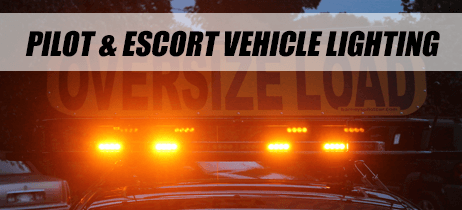
Pilot and Escort Vehicle Lightings
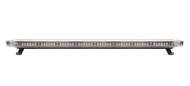
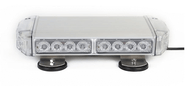
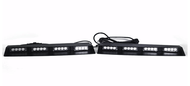
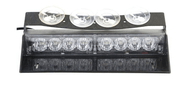
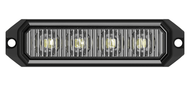
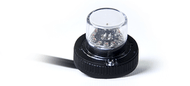
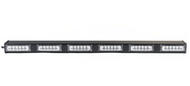
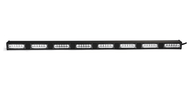
Pilot car lights and escort vehicle lights are built for one job: making your lead and chase vehicles unmistakably visible during oversize load moves, motorcades, and roadside operations. Use the category grid below to build a complete pilot/escort warning package with the right mounting style, footprint, and directional control for your route and vehicle type. Serving first responders and professionals since 2005.
Shop Pilot and Escort Vehicle Lighting by Category




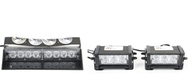
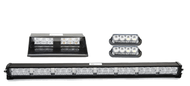
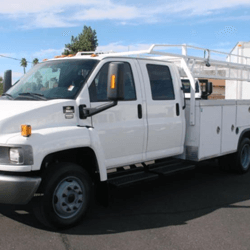
Shop By HEAVY DUTY VEHICLE TYPE
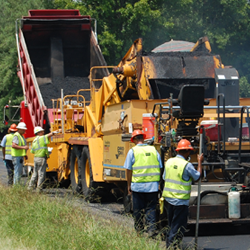
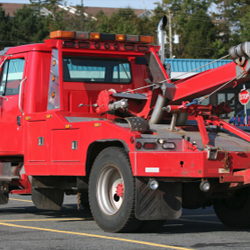

What each category is best for
Full size roof light bars: maximum 360° visibility for lead or chase vehicles on high speed routes.
Mini light bars: compact warning coverage when you need a smaller footprint or quick removal between jobs.
Visor light bars: strong forward facing warning with a clean install inside the vehicle.
Dash and deck lights: fast interior warning for pickups and SUVs without roof mounting.
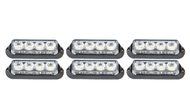
Grille and surface mount lights: low profile exterior strobes for front, rear, and side coverage.
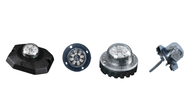
Hideaway lights: concealed warning in headlights and tail lights for a stealthier look when off duty.
Interior and exterior light bars: flexible modules for windshields, rear windows, bumpers, and exterior mounting points.
Traffic advisors: directional control for lane changes, merges, tapers, and roadside protection.
Pilot and Escort Vehicle Best Sellers
If you are building a pilot/escort warning package from scratch, start with the core visibility layer (roof or interior) and then add directional control and perimeter coverage based on how you run lead vs chase.
Quick Setup Finder
Use these goal based setups to match your equipment to how you actually operate.
Goal: Maximum visibility for highway moves
Choose a full length roof light bar plus a traffic advisor, then add grille or rear surface mounts to cover blind angles during lane changes.
Goal: Low profile look with strong forward warning
Combine a visor bar with dash/deck lighting, then add hideaways or surface mounts for perimeter coverage.
Goal: Chase vehicle rear protection
Prioritize a rear facing directional setup (traffic advisor or rear window bar) plus rear surface mounts to protect you during stops and slowdowns.
Goal: Quick install and quick removal
Use plug in interior options and a compact mini bar if you rotate vehicles, then keep mounting and wiring accessories on hand for clean routing.
Shop by Category in the grid above | Build your preset package
Common Pilot and Escort Vehicle Fitments
Pilot and escort vehicle lighting is most often installed on:
- Full size pickups and HD pickups (lead or chase)
- SUVs and crossovers (lead vehicles and traffic control)
- Sedans (escort and support vehicles)
- Utility style service vehicles used for transport support
Typical add ons used alongside lighting include oversize load signs, flags, and communication gear, so mounting position and cable routing should avoid interfering with roof signage and rear visibility.
What Pilot and Escort Vehicles Need from Warning Lights
Instant recognition in mixed traffic
Pilot car lights need to read clearly at a distance, in sun glare, rain spray, and night driving. The most effective builds layer a primary warning source (roof or interior) with secondary perimeter lights that fill in side and rear angles.
Directional control for merges and lane changes
Escort vehicle lights are not only about flash. When you are managing traffic behavior, directional warning (left, right, center out) reduces confusion and helps drivers react earlier.
Reliability for long runs and repeated installs
Pilot LED lights for trucks and SUVs should be selected with real world use in mind: vibration, weather exposure, repeated plug cycles, and the need to service or reconfigure equipment quickly between jobs.
Industry specific reality check lines (human verification):
- When you are calling out mile markers and lane closures over radio, you need lighting that stays unmistakable even when traffic compresses at interchanges.
- On wide turns and ramp merges, rear facing directional control prevents drivers from cutting into the buffer zone behind the load.
- During night moves in rain spray, interior lighting placement matters so you get punch without distracting glare off the hood and windshield.
Recommended Pilot and Escort Lighting Setups
These presets are the fastest way to choose a cohesive system without overbuying or leaving coverage gaps.
Preset 1: Basic pilot car setup
Primary warning: interior visor or dash/deck lighting.
Add ons: one or two grille/surface mounts for forward punch.
Best for: lighter duty routes, daytime runs, and vehicles that cannot mount a roof bar.
Preset 2: Standard escort vehicle setup
Primary warning: mini light bar or interior/exterior bar.
Add ons: rear surface mounts plus a traffic advisor when you frequently manage lane changes.
Best for: mixed traffic, urban highway segments, and chase vehicle duties.
Preset 3: High-visibility highway setup
Primary warning: full-size roof light bar.
Add ons: traffic advisor plus perimeter surface mounts.
Best for: long-distance moves, higher speeds, and high-risk merge zones.
Preset 4: Low profile professional build
Primary warning: visor bar plus dash/deck lights.
Add ons: hideaways for clean exterior appearance plus targeted surface mounts for rear coverage.
Best for: vehicles that need strong warning without a roof mounted look.
Shop by Category in the grid above | Build your preset package
Choosing Between Common Build Options
| Lighting Type | Primary Benefit | Visibility Profile | Installation Complexity |
|---|---|---|---|
| Full Size Roof Bars | 360° Hazard Awareness | Maximum (Long Range) | High (Hardwired/Permanent) |
| Traffic Advisors | Directional Lane Control | Rear Facing / Targeted | Moderate |
| Visor and Dash Lights | Interior Mounting / Low Profile | Forward Facing Concentration | Low (Plug and Play) |
| Grille and Surface Mounts | Perimeter and Blind Spot Coverage | Low Profile / Wide Angle | Moderate (Exterior Mount) |
Roof mounted vs interior mounted warning
Roof light bars are the highest visibility option because they provide elevated 360° coverage. Interior options can look cleaner, reduce wind noise, and avoid roof interference, but they generally work best when paired with exterior perimeter lights to cover side and rear angles.
Plug in vs hardwired installs
Plug in systems are ideal if you rotate vehicles, want faster setup, or need quick removal. Hardwired systems are better for permanent builds, cleaner cable routing, and multi light synchronization through a switch box. If you run frequent night moves or extended roadside stops, hardwired builds typically provide the most consistent control.
Compare setups above | Choose the install style that matches your operation
Compliance and Operational Safety Notes
Escort lighting requirements vary by state and by the type of operation you are running. Use a state by state lighting statutes guide to review common restrictions and definitions for warning light colors and permitted usage. Regulations vary; verify local and agency requirements.
Move Over Laws also impact how traffic should behave around your stopped or slow moving escort vehicles. Review Move Over Laws by state as part of your safety planning for roadside stops and breakdown scenarios.
This is a general guide, not legal advice. See individual product listings for exact certifications/specs.
Check state requirements before purchase | Build a compliant warning package
Best Product Types for Pilot and Escort Vehicle Lighting
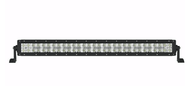
Full size roof light bars
If you want maximum presence, a roof light bar is the most recognizable pilot car light bar format for highway operations. Prioritize wide angle optics for 360° coverage, then decide whether you need add ons like takedowns, alley lighting, or integrated directional functions. Roof bars are also the best “one product does most of the work” choice when you do not want to rely on multiple smaller lights to build coverage. Browse full size roof light bars.
- Best for: lead vehicles, chase vehicles, long distance highway routes
- Consider: mount type, length fitment, wiring path, and controller needs
Shop roof light bars in the grid above
Mini light bars
Mini bars are popular escort lights because they can deliver strong 360° warning in a smaller footprint. They are a practical option when roof signage, vehicle height limits, or multi-vehicle rotation makes a full size bar less desirable. For pilot LED lights for trucks, mini bars can also be a good balance between visibility and easy storage when not in use. Browse mini LED light bars.
- Best for: pickups and SUVs that need compact roof warning
- Consider: mounting method and how you route power cleanly
Visor light bars
Visor bars are a clean, professional way to get strong forward warning without roof mounting. They work especially well for lead vehicles where forward facing recognition is the priority, and for operators who want a lower profile look. For best results, pair a visor bar with rear coverage so you are not “front heavy” on warning. Browse visor mounted light bars.
- Best for: sedans, SUVs, and pickups where a roof bar is not preferred
- Consider: fitment, windshield angle, and cable routing to avoid pinch points
Dash and deck lights
Dash/deck lights are a fast way to add pilot car lights to a vehicle without exterior drilling. They are especially useful for temporary builds and for operators who rotate between vehicles. Use them as part of a layered approach, not the only warning source, because exterior angles and rear visibility often need reinforcement. Browse dash warning lights.
- Best for: quick setup, interior only installs, and budget conscious builds
- Consider: glare control, mounting stability, and rear coverage strategy
Grille and surface mount lights
Surface mounts and grille strobes deliver high impact warning with a low profile. They are ideal for building perimeter coverage, filling in rear angles, and adding side warning on wide vehicles. For escort vehicles, these lights often do the “detail work” that makes the overall system read clearly from every approach angle. Browse low profile grille and surface strobes.
- Best for: front punch, rear warning, and side coverage
- Consider: placement symmetry, cable protection, and weather sealing
Grille and surface mount multi packs
If you want a consistent look and synchronized coverage, multi packs are one of the fastest ways to build a full perimeter setup. They simplify matching output and flash behavior across multiple positions, which is useful when you are building a standardized pilot/escort package across more than one vehicle. Browse multipack surface mount sets.
- Best for: building a full perimeter package quickly
- Consider: the number of mounting points you can support on your vehicle
Hideaway strobe lights
Hideaways are designed for concealed installs in head and tail light housings. They are effective when you want warning that is invisible until activated, and they are commonly used to add rear presence without external housings. For escort vehicles that need a cleaner exterior, hideaways can be a strong secondary layer when paired with a primary warning source. Browse LED hideaway strobe kits.
- Best for: concealed warning and rear visibility
- Consider: installation complexity and housing compatibility
Hideaway light multi packs
Multi pack hideaways are a smart way to build matched front and rear coverage, especially for fleets or repeatable builds. They also simplify keeping your pilot car lights consistent across multiple vehicles, so your team’s lighting behavior looks uniform during multi vehicle escorts. Browse hideaway multi-pack kits.
- Best for: matched front/rear concealment builds
- Consider: placement plan before drilling any housings
Interior and exterior light bars
These bars bridge the gap between full roof bars and single point strobes. They can be used in windshields, rear windows, or mounted externally depending on the product design. For escort lights, they are a flexible option when you need strong warning but want more placement options than a traditional roof bar. Browse interior and exterior light bars.
- Best for: rear window coverage and flexible mounting locations
- Consider: whether you need forward, rear, or dual direction emphasis
Traffic advisors
A traffic advisor is one of the most practical upgrades you can add to an escort vehicle because it communicates direction instead of just urgency. Use it for merges, tapers, lane changes, and roadside protection when you need drivers to move left, move right, or slow down with clarity. Browse traffic advisor directional bars.
- Best for: chase vehicles and any operation with frequent lane control
- Consider: mounting position and visibility from a distance
LED dash light multi packs
If you want a repeatable interior package across multiple vehicles, multi pack dash kits help standardize placement and output. This can be useful when you have multiple escort vehicles, need backup units, or want to build matched forward and rear interior warning across a small fleet. Browse dash light multi packs.
- Best for: multi vehicle standardization and matched interior builds
- Consider: mounting style and cable routing consistency
Warning Sirens
Not every pilot/escort operation uses an audible warning device, but for certain traffic control scenarios, sound can add critical attention when visibility is limited or traffic is not responding. If you are adding a siren, match it to your control strategy and ensure your install is safe, fused, and reachable from the driver position. Browse police sirens.
- Best for: selective audible warning needs in high risk environments
- Consider: local rules and operational policies
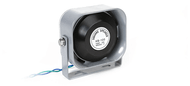
Siren speakers
A siren speaker is the output component that makes an audible system effective. Placement and mounting stability matter because vibration and exposure can reduce performance over time. For escort vehicles, speakers are typically paired with a controller that lets you manage tone selection and activation without taking attention off driving. Browse siren speakers.
- Best for: completing an audible system build
- Consider: mounting location, water exposure, and wiring protection
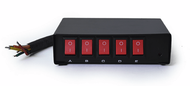
Control switch boxes
A switch box is the control center of a multi light escort package. It helps you manage zones (front, rear, side), synchronize flash patterns, and activate directional functions in a predictable way. For hardwired builds, a proper control setup also supports cleaner wiring and safer operation because everything is reachable and labeled. Browse switch boxes and control panels.
- Best for: hardwired multi light builds and consistent control
- Consider: mounting position and how you label switches for quick use
Mounting brackets
The bracket choice impacts long term reliability more than many buyers expect. Proper mounts reduce vibration, prevent shifting over time, and keep cables protected at entry points. For pilot car light bars and traffic advisors, correct bracket fitment also improves the look and reduces install headaches. Browse light mounting brackets.
- Best for: clean installs and long term durability
- Consider: vehicle specific fitment and hardware quality
Wiring and connectors
Reliable power delivery is the foundation of a dependable escort light system. Use properly rated wiring, fusing, connectors, and weather protection to avoid intermittent failure and voltage drop. If you frequently swap equipment, quality connectors and organized routing make removal and reinstallation faster and safer. Browse wiring and connector accessories.
- Best for: stable power, clean cable management, and safe installs
- Consider: fusing, grounding, and weather sealing
Work and scene lighting
Scene lighting is useful when escort vehicles also handle roadside setup, equipment checks, breakdown support, or night visibility around the vehicle. The key is separating “work light” needs from “warning light” needs so you do not create unnecessary glare for drivers or your own crew during night operations. Browse work and scene lighting.
- Best for: roadside tasks and night visibility around the vehicle
- Consider: aiming and glare control
Light and siren bundles
Bundles can simplify building a cohesive system if you want matched components and fewer compatibility questions. They are especially useful when you are building multiple escort vehicles and want repeatability across installs. Browse light and siren bundles.
- Best for: cohesive packages and faster buying decisions
- Consider: verifying each component meets your operational needs
Shop bundles in the grid above
Installation and Setup Tips
For pilot and escort vehicle lighting, small setup details determine whether your system feels professional or frustrating.
- Plan your zones first: front warning, rear warning, side perimeter, and directional control.
- Keep wiring protected: use grommets, loom, and strain relief where cables pass through metal or near moving panels.
- Fuse correctly and ground cleanly: stable power prevents random resets and dim output.
- Avoid glare and reflections: test interior lights at night to confirm they do not reflect off the hood or windshield.
- Prioritize accessibility: your switches should be reachable without looking away from the road.
Build your package first | Then choose mounts and wiring for a clean install
Why Choose Extreme Tactical Dynamics
Pilot and escort operators need equipment that performs consistently and support that understands real world installs. If you want help selecting escort lights for sale that match your vehicle, route type, and install preference, talk to a lighting specialist. Serving first responders and professionals since 2005.
Frequently Asked Questions
What is the difference between a pilot vehicle and an escort vehicle?
In oversize load operations, “pilot vehicle” often refers to support vehicles that warn traffic and communicate hazards, while “escort vehicle” is commonly used for lead and chase vehicles managing traffic behavior around the load. Terminology and requirements vary by state and permit type.
Do pilot car lights have to be a specific color?
Many jurisdictions restrict warning light colors based on vehicle type and permitted use. Use the state statutes resources linked above to confirm what is allowed where you operate. Regulations vary; verify local and agency requirements.
Are roof light bars required for escort vehicles?
Not always. Roof bars provide the strongest 360° visibility, but many operators run effective systems using visor, dash/deck, and exterior perimeter strobes. The right choice depends on your route, traffic density, and whether you run lead, chase, or both.
What is the best pilot car light bar setup for highway driving?
A roof bar plus rear directional control is a common high visibility approach, especially for chase vehicles. Add perimeter surface mounts to cover side and rear angles where drivers often miss warning signals.
Can I build a system that is easy to remove between jobs?
Yes. Plug in interior lighting and compact roof options can be practical for rotating vehicles. Just make sure mounting is stable and cables are routed safely so nothing interferes with pedals, airbags, or driver visibility.
Do I need a traffic advisor for escort work?
If you frequently manage merges, lane changes, or roadside tapers, directional warning can reduce confusion and improve driver response. If you mostly run low complexity routes, a strong primary warning system may be enough.
Are hideaway strobes a good choice for escort vehicles?
Hideaways work well as a secondary layer when you want concealed warning that is off until needed. They are especially useful for rear visibility when you want to keep the exterior clean.
Do escort vehicles need a siren?
Many escort operations rely on visual warning only, and rules can differ widely. If you add an audible device, ensure your usage aligns with local requirements and operational policies.
How do I avoid buying the wrong lights?
Start with your operating role (lead vs chase), then pick your primary warning layer (roof or interior), then add directional control and perimeter coverage. Confirm legal constraints before finalizing your color and usage plan.
Do your products include certifications like SAE ratings?
Many products list compliance and certifications in the individual product pages. See individual product listings for exact certifications/specs.