

Red/Amber Strobe Lights
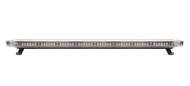
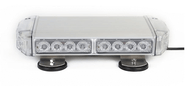
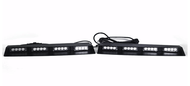
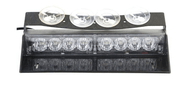
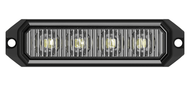
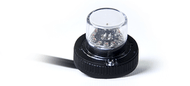
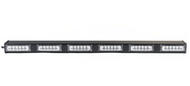
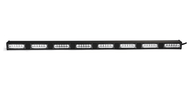
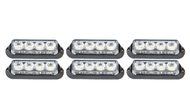
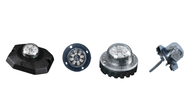
Shop red and amber LED strobe lights for trucks, tow trucks, emergency vehicles, and professional use, including high-visibility red and amber warning lights designed for roadside safety, traffic control, and incident response. These red and amber strobe lights are commonly used on work trucks, utility vehicles, service fleets, and authorized emergency vehicles where strong visibility and clear driver awareness are critical. Choose red and amber light bars for full 360-degree coverage, or build a custom setup with dash and deck lights, visor light bars, grille and surface mount strobes, hideaway strobe kits, or mini light bars. All red and amber LED strobe lights are built for high output, durability, and reliable performance, with select models meeting SAE and IP waterproof standards. Serving first responders and professionals since 2005. For broader product coverage, explore all LED strobe lights designed for exterior vehicle mounting. You can also browse our full range of Emergency Vehicle Lights to compare all categories and configurations.
Shop by Category




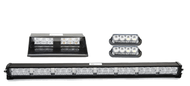
Shop Additional Colors
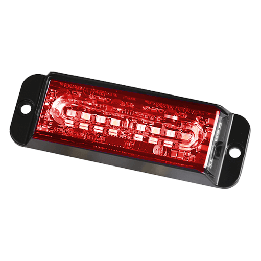
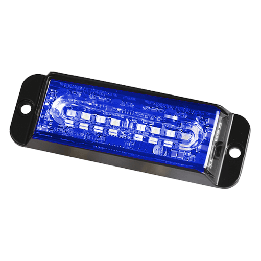
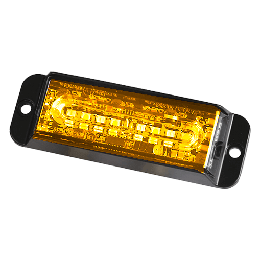
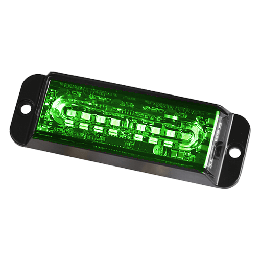
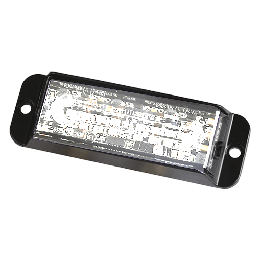
What Are Red and Amber LED Strobe and Warning Lights?
Red and amber LED strobe lights are warning lights designed to increase vehicle visibility in situations where drivers need extra time to see you and react. Amber is commonly associated with caution and traffic awareness, while red is often reserved for authorized emergency or incident response depending on your state and role. As a split color setup, red/amber strobes let you run attention grabbing flashes for scene safety, lane control, and high risk roadside work while keeping your vehicle’s warning profile clear and intentional.
You’ll find red/amber lighting across multiple form factors, from low profile interior lights (dash and visor) to exterior systems (grille, surface mounts, hideaway kits, traffic advisors, and roof light bars). The best choice depends on where you need the light to project, how permanent the install should be, and how your local rules define permitted colors and use cases.
Shop Red and Amber Lights by Product Type
Red/Amber Dash and Deck Lights
Dash and rear deck lights are a fast way to add red/amber warning coverage without committing to a full exterior build. They work well for quick response vehicles, temporary assignments, and fleets that rotate units between vehicles. Choose plug in models for speed, or hardwire options for cleaner installs and long term durability.
Red and Amber Dash / Deck Lights
Red/Amber Visor Light Bars
Visor lights deliver high output from a stealthy interior mounting position, making them a strong choice when you want visibility without exterior hardware. Red/amber visor bars are popular for authorized response, roadside safety, and mixed use vehicles because they’re easy to reach, easy to control, and easy to remove when needed.
Red and Amber Visor Light Bars
Red/Amber Grille and Surface Mount Strobes
Grille and surface mount lights give you flexible exterior placement on the front, sides, and rear of the vehicle. Use them to build real 360 degree visibility, especially when you want light that “wraps” corners and hits approaching drivers from multiple angles. This category is ideal for trucks, SUVs, utility bodies, and fleet upfits.
Red and Amber Grille and Surface Mount Lights
Red/Amber Hideaway Strobe Light Kits
Hideaway kits mount inside headlight or taillight housings for a clean, low profile look when lights are off, and a serious punch when activated. Red/amber hideaways are used for discreet builds, POV style installs where permitted, and vehicles that need exterior warning capability without visible external pods.
Red and Amber Hideaway Strobe Kits
Red/Amber Mini Light Bars
Mini light bars are a go to when you want roof level visibility but need a smaller footprint than a full size bar. They’re common on construction fleets, utility trucks, and service vehicles that still need high recognition at speed. Red/amber mini bars also pair well with grille and rear deck lights for balanced coverage.
Red and Amber Mini Light Bars
Red/Amber Full Size Roof Light Bars
Full size roof light bars provide the most consistent long range recognition and wide angle coverage, which is why they’re used on dedicated response vehicles and fleet builds that need maximum warning presence. If your work regularly puts you in fast traffic or complex intersections, roofline coverage is often the most effective foundation.
Red and Amber Full Size Roof Light Bars
Red/Amber Traffic Advisor Light Bars
Traffic advisors add directional guidance (arrow and pattern control) to help move vehicles left, right, or away from a hazard. Red/amber traffic advisors are commonly used for lane control, roadside recovery, incident response support, and work zones where you need drivers to understand what to do, not just notice you.
Red and Amber Traffic Advisor Lights
Red/Amber Multi Pack Dash Lights
Multi packs help you scale coverage across a fleet or build a more complete warning layout on one vehicle. They’re also a smart route when you want multiple light heads for different mounting points without sourcing each piece separately.
Red and Amber Dash Light Multi Packs
Popular Vehicles and Industries for Red/Amber Warning Lights
Tow Trucks, Wreckers, and Roadside Recovery
Tow Truck Lights
Tow and recovery work happens inches from moving traffic, often in low visibility, bad weather, or tight shoulders. Red/amber lighting helps create a clear “slow down and move over” signal when you’re loading, winching, or working a lane edge. Pair a traffic advisor with rear facing lights and side coverage to protect operators and customers.
Construction, Utility, and Work Fleets
Construction Vehicle Warning Lights
Work zones and mobile job sites demand visibility that reads as caution and controlled movement. Amber is widely used in these environments, and red/amber combinations may be used where permitted for higher urgency or incident support. A mini bar plus grille/surface mounts usually creates the best balance of roofline recognition and perimeter coverage.
Authorized Emergency and Incident Response
Police lights
In many states, red is restricted to authorized emergency functions. Where permitted, red/amber can provide strong urgency signaling while still supporting traffic control patterns. For these builds, prioritize optics, synchronization, and placement consistency so the warning message is clean and immediately understandable to approaching drivers.
Fire, EMS Support, and Scene Safety
Firefighter lights
Scene safety is about visibility from every approach angle. Red/amber setups are often used to supplement primary colors, mark hazards, or provide additional rear or side warning at an incident perimeter. Exterior mounting and broad coverage patterns matter most here, especially when vehicles are parked at angles or blocking lanes.
Security, Escort, and Facility Operations
Private security and facility operations often need a clear caution signal for gate control, escorts, and on site traffic direction. Red/amber lighting can be effective for controlled environments, but legality and permitted use vary widely. Interior options and removable setups are common choices when vehicles serve multiple roles.
Key Features to Look For in Red/Amber LED Strobes
Optics and Real World Visibility
Lens design and beam control often matter more than raw LED count. Look for optics that project forward and wide enough to be seen early, especially in daylight. For best results, combine forward facing lights (dash, visor, grille) with side and rear coverage so drivers see you before they reach your work area.
Flash Patterns, Sync, and Control
Pattern variety helps you match the environment: fast attention patterns for initial recognition, and steadier sequences for longer scenes. If you’re running multiple heads, synchronization keeps the output clean and reduces visual “noise.” For directional needs, traffic advisors add guidance so approaching drivers know exactly where to go.
Mounting Flexibility and Install Type
Choose plug in models when you need speed and portability. Choose hardwired systems when you need permanence, clean wiring, and integrated switching. For exterior installs, confirm bracket options, mounting depth, and cable routing. License plate strobe light mounting is also used on some vehicles when you need a compact rear warning point without a large housing.
Durability for Fleet and Jobsite Use
Heat, vibration, salt, and pressure washing can destroy low grade lights. Prioritize sealed housings, water resistance, and rugged materials suited for daily operation. If your vehicles see heavy use, select models intended for fleet installs and long duty cycle performance rather than occasional use.
Compliance Signals and Ratings
Many professional grade warning lights are tested to standards (varies by product and application). If your agency, contractor, or fleet requires specific ratings, verify the listing details on the product page and match your purchase to your operating policy. This is especially important for red lighting, which is commonly regulated by state rules and authorization.
Compliance and Legal Considerations (Red/Amber Use)
Red/amber lighting rules vary by state, and red is frequently restricted to authorized emergency response or specific roles. Before installing or using red/amber strobes on public roads, confirm your local requirements, the permitted color combinations, and when those lights may be activated. If you’re building for job sites, escorts, or private property, you may still have restrictions when entering public roadways.
Check your state’s rules here: State Statutes
Need general LED warning light options beyond strobes? Start here: LED warning lights
Legal Disclaimer:
This page provides general information only and does not constitute legal advice. Regulations change and can vary by state, county, and agency policy. You are responsible for complying with all applicable laws and restrictions related to warning light colors and use.
Choosing the Right Red/Amber Setup
If you need quick, removable visibility for occasional response, start with a red/amber dash or visor light.
If you work roadside and need drivers to change lanes, add a red/amber traffic advisor to your rear warning plan.
If you need true 360 degree coverage, combine grille/surface mounts with a mini bar or full size roof bar.
If you want a clean exterior look when lights are off, choose red/amber hideaway strobe kits.
If you operate a fleet and want repeatable installs, standardize on hardwired systems with consistent mounting points.
If your vehicle sits high (work trucks, utility bodies), roofline coverage often improves recognition at distance.
If you need compact rear warning without a large housing, consider a license plate strobe light mounting point where compatible.
If you’re unsure about legality for red, choose amber only options until your authorization and local rules are confirmed.
Shop red/amber options by product type above, then build outward from your highest risk viewing angles first (rear and driver side approaches), followed by front and passenger side coverage.
Related color combinations you may also need:
Shop By Color: Explore More LED Strobe Light Options
- Amber LED Strobe Lights
- Blue LED Strobe Lights
- Green LED Strobe Lights
- Red LED Strobe Lights
- White LED Strobe Lights
- Amber and White LED Strobe Lights
- Blue and Amber LED Strobe Lights
- Blue and White LED Strobe Lights
- Green and Amber LED Strobe Lights
- Green and White LED Strobe Lights
- Red and Amber LED Strobe Lights
- Red/Blue LED Strobe Lights
- Red and White LED Strobe Lights
Frequently Asked Questions
What do orange lights mean on a cop car?
Orange (amber) warning lights on a police vehicle are commonly used for traffic control, scene awareness, or caution signaling when parked on a roadside stop or working an incident perimeter. The exact meaning depends on local policy and state rules, and some agencies use amber as a supplemental or rear facing warning color. If you’re choosing amber lighting, confirm what your jurisdiction permits and how it’s typically used locally.
Are red and amber strobe lights legal to use?
Legality depends on your state and your authorized role. Amber is commonly permitted for caution and work vehicles, while red is frequently restricted to authorized emergency response or specific functions. Even where ownership is allowed, activation on public roads may be limited. Use the state statutes guide to confirm what applies to your vehicle type, industry, and when the lights may be used.
How do police lights work?
Police warning systems use a controller to manage flash patterns, color output, synchronization, and directional functions (like traffic advisors). Lights can be plug in (simpler) or hardwired (cleaner and more permanent). Multi head systems often sync patterns across grille, dash, and rear locations to create a consistent warning message. The goal is fast recognition, clear intent, and safe driver response at distance.
What color is flashing emergency lights?
Emergency warning colors vary by state and agency. Common colors include red, blue, white, and amber, and some jurisdictions permit green or combinations for specific roles. The most important factor is what your local rules authorize for your vehicle and when those colors can be activated. If you’re building a compliant setup, verify the permitted colors first, then choose the light format that fits your use case.
What’s the best red/amber light option for a work truck?
For most work trucks, start with roofline coverage (mini bar or full size bar) if you need long range visibility, then add grille/surface mounts for corner and side fill. If you need a removable setup, interior dash or visor lights are fast to deploy. If you regularly direct traffic, a rear traffic advisor improves comprehension by telling drivers where to go.
Where should I mount red and amber warning lights?
Mounting depends on the angle you need to protect most. Rear facing warning is critical for roadside work, followed by driver side visibility and corner coverage. Dash and visor lights work well for forward recognition, while grille/surface mounts add perimeter coverage. Hideaway kits offer a clean look when off. Some vehicles also use license plate bracket mounting as a compact rear warning point when compatible.
Do hideaway strobe kits come in red/amber?
Many hideaway systems are available in split color configurations, but availability depends on the specific model and series. Hideaways are a strong choice when you want the vehicle to look clean when lights are off while still having strong output when activated. Always verify the exact color configuration on the product listing and confirm whether the installation location supports the beam pattern you need.
How many lights do I need for 360 degree coverage?
There’s no single number because vehicle shape, mounting height, and duty environment matter. A common approach is to start with a primary roof or rear warning source, then add corner coverage and side fill so approaching drivers can see you from every direction. For many builds, a roof bar or mini bar plus multiple grille/surface mounts creates the most consistent 360 degree warning footprint.