

Chevrolet Silverado
This page is built for the Chevy Silverado PPV, not a civilian Silverado and not a generic pickup with emergency lights added later. If you are outfitting a Chevrolet Silverado PPV for patrol work, traffic enforcement, supervisor response, rural coverage, roadside operations, or mixed on-road and off-road duty, the warning package needs to match the way this truck actually works in the field.
A police truck creates a different safety problem than a patrol sedan or a full-size police SUV. The front of the Silverado helps clear the intersection. The rear and side profile are what protect the officer once the truck is stopped, angled on a shoulder, blocking a lane, or working a roadside scene. That is where weak builds fail. A rear-window-only package on a truck this large can leave a major visibility gap around the back corners and side approach zone. On a Silverado PPV, that gap is not just a design flaw. It can become an officer safety problem.
That is why this page is built around truck-specific warning strategy, not just product categories. The goal is not to stack lights randomly. The goal is to make the Silverado PPV readable in motion, visible when parked, functional for real police work, and compatible with the way GM designed the PPV platform to be upfitted.
If you want the broader category hub first, start with all police lights.
If you want the broader vehicle hub first, use police cars, trucks, and SUVs.
Shop by Category


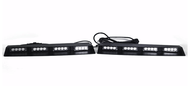
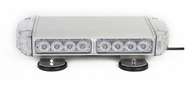
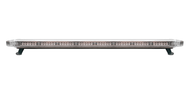

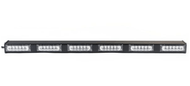

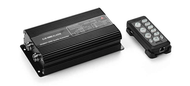
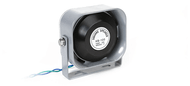
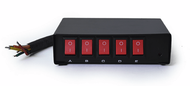


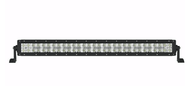
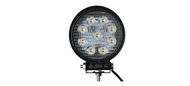
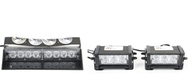
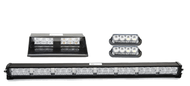
For a full view of all of our product visit emergency vehicle lights.
Why the Chevy Silverado PPV Needs a Different Lighting Strategy
The Chevy Silverado PPV should be built like a police truck, not like a retail pickup with a bar on the roof. It rides differently in traffic, it presents a taller and longer profile, and it creates a larger visual shadow once it is parked at an angle. That changes the entire warning strategy.
On a Silverado PPV, the front of the truck gets attention first, but the rear and side visibility keep the officer safer once the vehicle is committed to the stop. Most weak truck builds over-focus on roofline or front-only flash. The smarter approach is a layered package that covers recognition, traffic-level response, side-angle readability, and rear protection once the truck is stationary.
A practical Silverado PPV setup usually needs three layers working together:
The first layer is a primary warning anchor that makes the truck identifiable fast.
The second layer is traffic-level front warning that drivers can actually read at eye level instead of only above traffic.
The third layer is rear and side-oriented warning that stays effective when the truck is stopped, angled, offset on the shoulder, or working a lane-control scene.
That layered approach matters even more on current GM police-package trucks because the platform is already built to support real electrical integration. The available GM 9L7 upfitter switch bank gives agencies factory switching capacity with three 30-amp circuits and two 20-amp circuits, which means properly selected warning lights, controllers, and siren components can be tied into the truck the right way instead of forcing a sloppy aftermarket logic path. On this platform, integration quality matters just as much as raw flash output.
The Silverado PPV also gives you a serious police charging system. On units equipped with the 220-amp alternator and idle-boost logic, the truck is built to carry real-duty electrical loads during extended scene time, traffic stops, and roadside operation. That is exactly why cheap high-draw warning products and low-quality siren systems are the wrong fit here. A police truck needs electronics that stay stable when voltage demand changes and the truck is sitting on scene, not just products that look bright in a photo.
Best Police Lights for the Chevy Silverado PPV
| Product Type | Best For | Typical Mounting Area | Start Here |
|---|---|---|---|
| Full-size roof bars | Marked Silverado PPV builds that need maximum overhead warning and fast recognition | Roofline | roof light bars for Chevy Silverado PPV |
| Mini light bars | Lower-profile truck builds that still need compact overhead warning without the visual bulk of a full bar | Roofline | mini light bars for Chevy Silverado PPV |
| Dash lights | Fast front warning and useful rear-window output inside the cab | Front windshield or rear-window area | dash lights for Chevy Silverado PPV |
| Visor light bars | Clean upper-windshield warning for marked, slicktop, or low-profile truck builds | Visor or upper windshield area | visor lights for Chevy Silverado PPV |
| Grille and surface mount lights | Compact front, side, rocker, bed-side, and rear traffic-level warning | Grille, bumper, rocker, body side, bed side, tail area, or rear-facing positions | grille lights for Chevy Silverado PPV |
| Hideaway lights | Cleaner installs and covert warning zones for slicktop and lower-profile Silverado PPV builds | Concealed housings and hidden install points | hideaway lights for Chevy Silverado PPV |
| Traffic advisors | Rear warning and directional traffic control for stop-heavy truck use | Rear window, rear body, bed-end, or rear-facing positions | traffic advisor lights for Chevy Silverado PPV |
| Sirens | Fully equipped patrol, traffic, and enforcement truck builds | Control system and speaker setup | sirens for Chevy Silverado PPV |
| Work and scene lighting | Truck-duty builds that need usable task lighting around stops, scenes, rural work, and support operations | Rear, side, cargo, or work-area positions | scene lights for Chevy Silverado PPV |
Where Lights Usually Work Best on the Chevy Silverado PPV
Roofline
If the Silverado PPV is a marked patrol or enforcement truck, roof-mounted warning is usually the main visual anchor. It helps the truck read immediately as an emergency vehicle and keeps the vehicle visible over traffic. For that route, start with roof light bars for Chevy Silverado PPV/
If the build still needs overhead warning but wants a smaller footprint, move to mini light bars for Chevy Silverado PPV
Windshield and visor area
The windshield and visor zone are often the fastest way to build strong forward warning without overcrowding the truck exterior. LED dash lights for Chevy Silverado PPV work well when you want flexible front coverage and useful rear-window output from inside the cab. Visor lights for Chevy Silverado PPV are a cleaner fit when you want upper-windshield warning that stays out of the driver’s line of sight.
Because the Silverado PPV has limited dash space compared with the amount of equipment many agencies install, dual-memory recall becomes more valuable on this platform than it does on some other vehicles. It gives the officer a fast way to switch from an aggressive pursuit-style flash sequence to a lower-frequency scene or stop pattern using a single programmed switch input. On a truck where control simplicity matters, that is a real operational advantage, not a minor feature bullet.
Grille, bumper, and traffic-level positions
This is one of the most important mounting zones on the Silverado PPV. Truck builds need warning that works at traffic level, not just warning that sits high above the road. Drivers react faster when the lighting package is readable at eye level and at approach height.
That is where grille strobe lights for Chevy Silverado PPV and other compact surface mounts matter. They add front punch, improve corner-angle visibility, and help the truck read properly from lower approach angles.
This matters even more on Z7X-equipped trucks with the factory two-inch lift. On those builds, installers need to think carefully about vertical placement. If front warning is mounted too high in the fascia, the light can end up shooting over the mirrors and sightline of a lower vehicle stopped ahead, especially sedans like a Dodge Charger. On lifted Silverado PPV builds, lower fascia mounting is often the smarter answer because it keeps the light where approaching traffic can actually see it.
Rear window and rear-facing positions
Rear warning is where the Silverado PPV either becomes a serious police truck or falls short. Once the truck is stopped, offset, or blocking, the rear of the build becomes critical. A truck with strong front warning and weak rear planning is incomplete.
Traffic advisor lights for Chevy Silverado PPV are a strong fit because they do more than flash. They give the truck directional traffic control, which is especially useful for shoulder stops, lane closures, roadside assistance, and mixed-duty patrol work where the rear of the truck becomes part of the scene-management plan.
Hidden warning zones
Some Silverado PPV builds need a cleaner profile when the system is off. That is where hideaway lights for Chevy Silverado PPV can support a lower-profile or slicktop package.
This is also where GM’s 5J3 surveillance-style operating logic becomes relevant. On builds intended for covert or lower-visibility work, hidden warning needs to respect the truck’s ability to go dark quickly and cleanly. A stealth package is only useful if the officer can control warning and interior lighting without fighting the equipment. That is why slicktop and covert Silverado builds work best when the warning package is designed around fast, disciplined switching instead of random accessory add-ons.
Support and work-area lighting
A police truck often does more than standard patrol. If the Silverado PPV is used for rural coverage, support duty, perimeter work, roadside assistance, or mixed-surface response, scene lighting matters. Scene lights for Chevy Silverado PPV/ make more sense on this platform than they do on most sedans because the truck is more likely to be used where side, rear, cargo, and perimeter visibility matter during real tasks.
Marked vs Slicktop Chevy Silverado PPV Builds
A marked Silverado PPV usually works best with a more visible, more complete package. That often means a roof-mounted anchor, traffic-level front warning, side-profile coverage where appropriate, and a rear-warning plan that still works when the truck is parked at an angle on the shoulder or deployed in a lane-management role.
A slicktop Silverado PPV is different. It still needs to function in traffic, but it may rely more heavily on windshield, visor, grille, hideaway, rear-window, and compact rear-facing zones instead of an always-visible full-size overhead bar. On this platform, slicktop does not mean weak. It means the warning package has to be more deliberate.
If your buying intent is more covert than patrol-focused, review undercover police lights
How to Build a Smarter Chevy Silverado PPV Lighting Package
Start with the mission of the truck, not the product title.
If the Silverado PPV is a marked patrol or traffic truck, decide first what will act as the primary warning anchor. That may be a full-size roof bar, or it may be a lower-profile package supported by strong traffic-level front lighting and a serious rear-warning plan. Then build around the truck’s real problem zones, not just the easiest mounting points.
If the truck is slicktop or lower-profile, start with windshield and visor coverage, then add grille, rear-window, hideaway, and rear-facing warning where it improves traffic readability without giving up control discipline.
If the truck is used for rural patrol, utility policing, supervisor work, or mixed roadside operations, rear visibility and scene lighting should be treated as part of the primary package, not an optional add-on.
If the truck is using the GM 9L7 upfitter switch bank, choose lights and controllers that can integrate cleanly with those factory circuits. If the build depends on fast mode changes in the field, prioritize products with 36 flash patterns and dual-memory recall so the officer can move from pursuit-style output to a calmer scene pattern without hunting through a controller.
The best Silverado PPV package is usually not the one with the most individual products. It is the one that solves how the truck is actually seen from the front, rear, and side in the kinds of stops and scenes it will really work.
Building a Silverado PPV that stands out requires a color plan that matches your local regulations and mission profile. For maximum visibility on marked units, most agencies utilize Red and Blue Strobe Lights. However, depending on your assignment or state law, you may require specific Red Strobe Lights or Blue Strobe Lights. We recommend confirming your color choices against our State Statutes Guide to ensure your fleet remains compliant across all jurisdictions.
Compare Other Police Truck Lighting Setups
If you are comparing police-truck platforms before choosing the exact spoke, these related pages help narrow the differences without blurring keyword ownership.
For a Ford truck comparison, review Ford F-150 Police Responder lights
For a special-service Ram truck comparison, review Ram 1500 Special Service lights
These comparisons help buyers who are deciding between Chevy Silverado PPV lighting, Ford F-150 Police Responder lighting, and Ram 1500 Special Service lighting without turning this page into a generic truck hub.
Fleet and Agency Buying Considerations
If your real buying decision is larger than one truck, think beyond the single-vehicle build. Fleet buyers usually need repeatable controls, compatible product families, consistent rear-warning logic, and installation paths that work cleanly across multiple units.
That is where the Silverado PPV can be a strong agency platform. It has real upfitter logic, a real charging system, and a body style that can support marked, slicktop, and mixed-duty builds if the warning package is engineered correctly. If your main intent is department purchasing, standardization, or procurement support, review law enforcement fleet lights
Frequently Asked Questions
What lights work best on the Chevy Silverado PPV?
The best lights for the Chevy Silverado PPV are usually part of a layered package, not a single product. Most builds work best with a primary warning anchor, traffic-level front lighting, and rear-facing warning that still functions once the truck is stopped, angled, or working a roadside scene.
Why does the Chevy Silverado PPV need stronger rear and side warning than some other police vehicles?
Because a police truck creates a larger physical shadow once it is parked. The Silverado PPV is longer, taller, and more likely to be used on shoulders, work zones, and mixed-duty stops where rear and side approach visibility matter. That makes rear and side planning more important than on many smaller patrol vehicles.
Can Silverado PPV warning lights tie into the GM 9L7 upfitter switches?
Yes, that is one of the advantages of building this platform correctly. The GM 9L7 upfitter switch bank gives agencies factory-controlled circuit capacity, which makes it easier to integrate warning lights, sirens, and controllers without relying on a sloppy add-on switching plan.
What is the advantage of dual-memory recall on a Silverado PPV build?
Because the Silverado PPV often carries a lot of equipment and limited control space, dual-memory recall helps simplify operation. It lets the officer switch between different flash-pattern presets, such as a more aggressive pursuit pattern and a calmer scene pattern, using a single programmed input instead of manually cycling everything.
Do lifted Silverado PPV trucks need different grille light placement?
Often, yes. On Z7X-equipped trucks with the factory lift, front lights mounted too high can reduce how well the warning is seen by lower vehicles ahead. Lower fascia placement is often smarter because it keeps the output in a more useful sightline for surrounding traffic.
Can the Chevy Silverado PPV work as a slicktop police truck?
Yes. A Silverado PPV can work very well as a slicktop or low-profile build when the lighting plan leans on windshield, visor, grille, hideaway, rear-window, and compact rear-facing zones instead of depending entirely on an overhead bar.
Are traffic advisors useful on a Chevy Silverado PPV?
Yes. A police truck often benefits from strong rear warning, and a traffic advisor makes that rear warning more functional by adding directional control instead of basic flash alone. They are especially useful for shoulder stops, traffic enforcement, lane-management work, and longer roadside scenes.
Should the Silverado PPV also have work or scene lighting?
In many cases, yes. Because the Silverado PPV is a truck platform, it is more likely to be used in situations where task lighting matters along with warning output. That is especially true for rural patrol, utility response, perimeter work, roadside support, and mixed-duty assignments.