

Tow Truck & Wrecker Lighting
Tow truck lights have one job: keep your truck and work zone unmistakably visible during roadside recoveries, night loading, and shoulder stops. This page helps you choose tow truck strobe lights, warning lights, and light bars by product type so you can build strong front, side, and rear coverage without guessing. Serving first responders and professionals since 2005.
Shop Tow Truck Lighting by Product Type
Use these categories to build a complete tow truck warning package




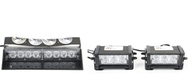
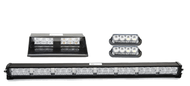
Shop By HEAVY DUTY VEHICLE TYPE
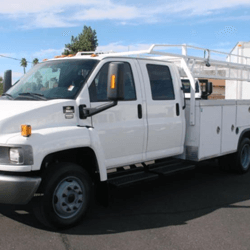
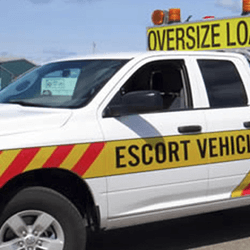
Shipping & Processing
Warranty
Return Policy
What Each Category Is Best For
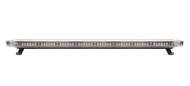
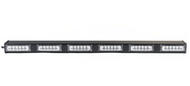
Full Size Light Bars: Maximum roofline presence and 360° visibility for high exposure towing and highway work.
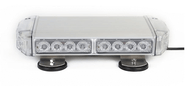
Mini Light Bars: Compact roof warning when you want a smaller footprint or easier removal between trucks.
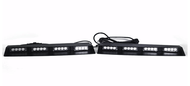
Visor Light Bars: Strong forward warning without a roof mount, ideal when rack systems limit roof options.
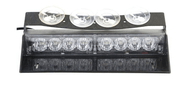
Dash/Deck Lights: Fast cab warning that helps capture “tow truck dash light” intent without permanent exterior installs.
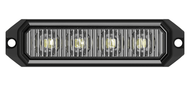
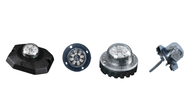
Grille and Surface Mount Lights: Low profile exterior strobes for front corners, rear corners, and side fill coverage.
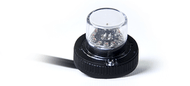
Hideaway Lights: Clean installs in headlight/taillight housings when you want hidden hardware when off.
Interior/Exterior Light Bars: Flexible bar formats for rear windows, bumpers, headache racks, and exterior mounting points.
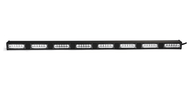
Traffic Advisors: Rear directional signaling for merges, lane changes, tapers, and backing protection.
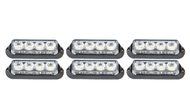
Surface Mount Multi Packs: Matched sets for building synchronized perimeter coverage fast.
Hideaway Strobe Light Multi Packs: Matched hideaway kits for consistent front and rear concealment builds.
Tow Truck Strobe Lights: Best Types for Recovery Work
Tow truck strobe lights work best when you protect the rear work zone first, then fill side angles and front approach visibility. The right strobe type depends on your mounting real estate, how much spray and grime you see, and whether you need a removable or permanent install.
Best strobe types for tow trucks by mounting zone
Front corner punch: Grille and surface mount strobes for low-profile exterior warning.
Rear protection: Rear corner surface mounts plus a rear directional bar when lane control matters.
Hidden hardware: Hideaway strobes in headlight or tail light housings for a clean look when off.
Fast interior visibility: Dash/deck lights and visor bars when you need quick installs without roof drilling.
Common strobe mistakes that reduce visibility
Mounting too low where spray and road film mute output.
Only running forward warning and leaving the rear work zone under-protected.
Interior placement that creates windshield or hood glare at night.
Unsealed connectors or weak strain relief that causes intermittent failures.
If you want a “tow strobe kit” feel without mismatched output
Use multi-packs for matched lenses and synchronized behavior, then add a rear directional component when you regularly manage merges, tapers, or backing zones.
If you’re shopping “tow truck strobe light kit,” start with matched multi packs for consistent output, then add rear directional control if you work fast traffic.
Learn more by type:
LED Strobe Lights
LED Warning Lights
Tow Truck Best Sellers
Start with a primary warning layer (roof or interior), then add rear directional control and perimeter coverage based on how you run recoveries.
Quick Setup Finder
Goal: Maximum rear protection for highway shoulder recoveries
Best Products: Full Size Light Bars + Traffic Advisors + Grille and Surface Mount Lights
Best Mount Zones: Roofline, rear upper zone, rear corners, front corners
Goal: Rollback loading at night with clear work zone visibility
Best Products: Mini Light Bars + Grille and Surface Mount Lights + Interior/Exterior Light Bars
Best Mount Zones: Roofline, rear corners, side zones, rear window or headache rack
Goal: Quick install and quick removal for rotating trucks
Best Products: Dash/Deck Lights + Visor Light Bars + Mini Light Bars
Best Mount Zones: Windshield/visor area, dash/deck zone, temporary roof mount positions
Goal: Wrecker package with perimeter coverage and consistent flash behavior
Best Products: Surface Mount Multi Packs + Traffic Advisors + Full Size Light Bars
Best Mount Zones: Front corners, side zones, rear corners, roofline, rear upper zone
Goal: Clean OEM style look with hidden hardware when not in use
Best Products: Hideaway Lights + Hideaway Strobe Light Multi Packs + Grille and Surface Mount Lights
Best Mount Zones: Headlight housings, tail light housings, grille corners, rear corners
Common Tow Truck Vehicles We See
- Rollback / flatbed tow trucks
- Wheel lift tow trucks
- Medium duty wreckers
- Heavy duty wreckers and rotators
- Highway assistance and service patrol trucks
- Recovery trucks with headache racks, tool bodies, or integrated work equipment
Technical Fitment & Installation Notes
- Mount above the grime line: low placement gets blocked by spray, dust, and road film.
- Protect wiring at pinch points: use grommets, loom, and strain relief near doors, beds, and moving arms.
- Avoid sensor and camera interference: confirm sightlines around factory cameras and driver-assist sensors.
- Seal for corrosion: water intrusion usually starts at connectors, splices, and unprotected grounds.
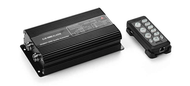
- Plan your control strategy early: you want a reachable switch location and a clear sync plan across lights.
What Tow Truck Vehicles Need From Warning Lights
The operational environment
Tow work happens in mixed traffic, often inches from moving vehicles, with glare, rain spray, and distracted drivers. Your warning system must read clearly from the rear, stay visible through grime and weather, and maintain coverage while you load, winch, and move around the truck.
The failure modes
Tow lighting fails in predictable ways: lights mounted too low disappear behind spray, interior lights create windshield glare at night, and wiring that is not sealed or strain relieved develops intermittent issues. Coverage gaps also happen when a build relies on one light source without adding rear and side visibility.
Fitment zero drift note
Your best setup is determined by your truck layout, mounting constraints, and how you run recoveries, not by one “best” product type.
Industry reality check lines
- When you are hooking a vehicle on the shoulder at night, rear facing warning matters more than forward punch.
- On rollbacks, lighting placement has to stay visible when the bed is tilted and you are working behind the truck.
- In rain spray, low mounted lights get muted fast, so roofline and upper rear placement carries the load.
Recommended Lighting Setups
Preset 1: Basic tow truck light bar setup
Who it’s for: Local towing with frequent stops and mixed day/night work
Product types included: Mini Light Bars + Grille and Surface Mount Lights + Dash/Deck Lights
Mounting zones: Roofline, front corners, cab interior
Color guidance: Amber or amber/white is commonly chosen for roadside visibility. Verify local requirements.
Why it works: You get a primary roof warning layer, strong front corner punch, and fast interior visibility without overbuilding.
Preset 2: Highway shoulder recovery protection
Who it’s for: High speed roads, long shoulder stops, heavy exposure to passing traffic
Product types included: Full Size Light Bars + Traffic Advisors + Surface Mount Multi Packs
Mounting zones: Roofline, rear upper zone, rear corners, side zones
Color guidance: Choose permitted colors based on where you operate and how the truck is classified. Verify local requirements.
Why it works: This preset prioritizes rear recognition and directional signaling, then fills blind angles with synchronized perimeter lighting.
Preset 3: Rollback night loading and work zone control
Who it’s for: Flatbeds and rollbacks doing frequent night loading and roadside winch work
Product types included: Visor Light Bars + Grille and Surface Mount Lights + Interior/Exterior Light Bars
Mounting zones: Upper windshield, front corners, rear corners, rear window or headache rack
Color guidance: Many operators prefer a clean amber forward approach for roadside work. Verify local requirements.
Why it works: Forward warning stays strong without roof constraints, and you can place additional coverage where the truck and bed geometry creates shadow zones.
Preset 4: Wrecker strobe light kit style package (matched coverage)
Who it’s for: Operators who want a cohesive kit feel without mismatched outputs and patterns
Product types included: Surface Mount Multi Packs + Hideaway Strobe Light Multi Packs + Traffic Advisors
Mounting zones: Front corners, rear corners, headlight/taillight housings, rear upper zone
Color guidance: Select color options that align with policy and local rules. Verify local requirements.
Why it works: Multi pack categories help standardize output and flash behavior so the full system looks uniform and intentional.
Quick Comparison: Roof Light Bar vs Interior Warning Build
| Option | Best for | Install effort | Durability | Price point |
|---|---|---|---|---|
| Roof light bar (full size or mini) | Most recognizable 360° warning | Medium to high | High when mounted and sealed correctly | Higher |
| Interior build (visor + dash/deck) | Fast installs, no roof hardware | Low to medium | Medium (depends on mounting and cable protection) | Moderate |
Best Product Types for Tow Truck & Wrecker
Full Size Light Bars
Best for: Maximum visibility and all around presence on high exposure roads.
Tradeoffs: More permanent mounting and more wiring planning.
What to check before buying: Mount style, vehicle roof clearance, and whether you want integrated directional functions.
Full Size Light Bars
Mini Light Bars
Best for: Strong roof warning with a smaller footprint and easier removal options.
Tradeoffs: Less coverage than full size bars, depending on model and placement.
What to check before buying: Magnet vs permanent mounts, cable routing, and roofline clearance around racks.
Mini Light Bars
Visor Light Bars
Best for: Clean forward warning when roof mounting is limited or you want fast interior installs.
Tradeoffs: Must be mounted carefully to avoid glare and driver distraction at night.
What to check before buying: Windshield angle fit, visor clearance, and mounting stability for vibration.
LED Visor Light Bars
Dash/Deck Lights
Best for: Quick, high visibility interior warning that targets “tow truck dash light” shoppers.
Tradeoffs: Interior reflection risk if placement is not tested at night.
What to check before buying: Footprint sizing, mounting method, and cable routing away from pedals and airbags.
Dash Strobe Lights
Grille and Surface Mount Lights
Best for: Durable exterior strobes that fill front, side, and rear coverage gaps.
Tradeoffs: Placement planning matters so lights stay visible and protected from impacts.
What to check before buying: Mount location, bracket needs, and sealing for water and corrosion.
Grille and Surface Mount Strobe Lights
Hideaway Lights
Best for: Hidden installs in headlight and tail light housings for a clean look when off.
Tradeoffs: More install work and more planning before drilling any housings.
What to check before buying: Housing space, heat management, and matched placement for left/right symmetry.
LED Hideaway Lights and Strobe Kits
Interior/Exterior Light Bars
Best for: Flexible bars for rear windows, bumpers, headache racks, and exterior mounting points.
Tradeoffs: You need to confirm mounting surfaces and cable protection in exposed zones.
What to check before buying: Mount type, bar length, and whether the zone is exposed to spray or impacts.
Interior/Exterior Light Bars and Stick Lights
Traffic Advisors
Best for: Rear directional signaling during lane changes, tapers, merges, and backing protection.
Tradeoffs: Needs proper placement so arrows are readable and not blocked by equipment.
What to check before buying: Rear visibility, control placement in cab, and wiring path to rear zones.
Traffic Advisor Light Bars
Surface Mount Multi Packs
Best for: Fast perimeter builds with matched output and synchronized flash behavior.
Tradeoffs: You still need a placement plan to avoid shadow zones and blocked angles.
What to check before buying: Quantity, cable routing plan, and whether you want alternating left/right behavior.
Surface Mount Multi Packs
Mounting and Installation
No drill vs permanent mounts
Removable systems are useful when trucks rotate, but permanent mounts are usually more stable long term. Choose based on whether the truck is dedicated to towing and how much vibration and weather exposure the light will see.
Wire routing safety
Route power away from moving arms, pinch points, and heat sources. Protect every pass through with grommets and loom, and secure cables so they cannot drop into pedals or steering zones.
Power and compatibility
Most towing applications are 12V. Verify amperage draw, fuse requirements, and exact specs on product pages before finalizing your build.
Control and synchronization
A clean tow setup uses a predictable control layout: primary warning, rear directional, and optional perimeter add ons. If you are running multiple lights, plan whether you want sync, alternation, or independent control.
Common install mistakes
- Mounting too low where spray and grime hide the light
- Skipping strain relief so connectors loosen over time
- Poor grounding that causes random resets or dim output
- Placing interior warning where it reflects off the hood at night
- Running rear directional bars where equipment blocks visibility
Want to see real brightness and placement before you buy? Watch customer install videos for surface mounts and interior warning lights.
Surface Mount Light Videos
Visor Light Videos
Color and Flash Pattern Guidance
Tow operators often choose color options that clearly signal caution and roadside activity, but permitted colors vary by location and policy. Regulations vary; verify local and agency requirements. If you are comparing common roadside color options, start with amber and amber/white variations and then match to your local rules.
Amber options
Amber/White options
Compliance, Visibility, and Professional Standards
Avoid assuming certifications based on appearance or brightness alone, and see individual product listings for exact certifications/specs. Prioritize 360° coverage, clear separation of front/side/rear visibility zones, and mounting positions that stay visible above spray and buildup. This is a general guide, not legal advice.
Confirm your state rules in the State Statutes Guide and review Move Over Laws by state.
Why Choose Extreme Tactical Dynamics
Serving first responders and professionals since 2005. You can build a tow truck warning system by product type, then fine tune fitment, mounts, and control strategy with support before you commit. Warranty, shipping, returns, and exact specs are shown on individual product pages so you can verify details at the model level.
Free Shipping on orders $88+ (contiguous U.S.).
Covered by our 5-Year Limited Warranty (see warranty terms).
Rated 4.8/5 from 25,000+ verified reviews.
Tracking provided when your order ships.
Frequently Asked Questions
Do tow truck warning lights have to be a specific color?
It depends on your state and operational policy. Use the statutes resources above to confirm what is permitted where you operate.
What is the best tow truck light bar setup for roadside recoveries?
A roof warning layer plus rear directional control is a common starting point. Add perimeter surface mounts to cover side and rear blind angles.
Do tow truck light bars include stop/tail/turn or rear work lights?
Some tow focused light bars include integrated stop/tail/turn functions or rear work lighting, while others are warning only. Verify the functions listed on each product page before you buy so you match the bar to your truck’s wiring and operational needs.
Are dash lights a good option for tow trucks?
Yes, if you want fast interior warning without roof hardware. Place them to avoid glare and keep cables secured away from driver controls.
What is a tow truck strobe light kit, and do I need one?
It is a matched set approach to building coverage across multiple zones. Multi-pack categories simplify consistent output and synchronized behavior.
What lights work best for rollback and flatbed towing?
Choose lighting that stays visible when the bed is tilted and you are working behind the truck. Prioritize rear facing warning and upper mounting zones.
Do I need a traffic advisor on a tow truck?
Not always, but it helps when you manage lane changes, tapers, and roadside protection. Rear directional signaling reduces confusion for approaching drivers.
How do I keep lights visible in rain spray and road grime?
Mount above the spray line and avoid low bumper placement as your only warning source. Upper rear and roofline positions stay readable longer.
How do I avoid buying the wrong size light bar?
Measure the mounting zone and confirm clearance around racks, signs, and equipment. If you are unsure, contact support with your truck details.
What is the most durable tow truck lighting approach?
Durability comes from correct mounting and protected wiring as much as the light itself. Use sealed routing, strain relief, and clean grounds.
How do fleets standardize tow truck lighting across multiple trucks?
Use consistent product types by role and keep a repeatable placement plan. Multi packs help maintain uniform output and flash behavior across vehicles.