


Louisiana Emergency Vehicle Light State Statutes
2026 Quick-Compliance Reference
- Police: Red/Blue alternating (500ft visibility). Blue permitted to the front.
- Public Fire: Red flashing (High/Wide). Rear blue permitted if blue is ≤ 50% of visual lights.
- Licensed Ambulances (public or private): Rear blue permitted if blue is ≤ 50% of visual lights.
- Private Fire (non-publicly owned): Rear blue not permitted. Use red or red/white systems per R.S. 32:318.
- Pilot/Escort: Amber Dome (Min 9" diameter x 4" height) + Permit required.
- Work Zones / Hazard Signals: Front: simultaneous amber (white-to-amber allowed on certain pre-1975 vehicles); Rear: simultaneous amber-to-red. Simultaneous flash required (not alternating).
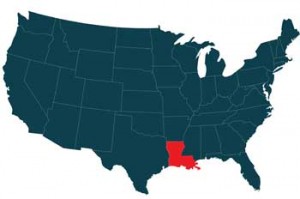 Industry Reality Check: If you are outfitting a construction truck, avoid alternating “wig-wag” patterns when operating in hazard warning mode. Louisiana’s hazard warning signal rules require simultaneous flashing, and non compliant patterns may increase enforcement and liability risk.
Louisiana’s emergency vehicle lighting rules are strict because color, mounting position, and flash style are meant to instantly communicate purpose. In practice, Louisiana ties true emergency response lighting to authorized vehicles and limits how restricted colors can be displayed on public roads. The primary equipment framework for authorized emergency vehicles is set in La. R.S. 32:318 Audible and visual signals on authorized emergency vehicles. This page explains how Louisiana applies those rules to common vehicle types, how visibility and mounting are handled, and where fleets and operators typically create compliance risk.
Below is a reference table summarizing how Louisiana designates emergency and warning lighting by vehicle type. The sections that follow provide expanded explanations and practical compliance takeaways.
| Vehicle Type | Permitted Light Colors | Notes / Restrictions |
|---|---|---|
| Police / Law Enforcement | Red (front and rear); Blue may be used to the front in place of red | Two signal lamps mounted as high and as widely spaced as possible; alternately flashing; visible 500 ft in normal sunlight; revolving red roof light may be used instead of flashing red; blue-to-the-front is permitted for law enforcement use. |
| Public Fire Department Vehicles (Publicly Owned) | Red (front and rear); Red/White roof option; Rear blue allowed if blue is ≤ 50% of visual lights | Signal lamps mounted as high as possible; two red lights to front and two red lights to rear; fire companies may use a revolving alternating red and white roof light under a clear dome; rear-mounted blue is permitted only for publicly owned fire department vehicles and must remain ≤ 50% of visual lights. |
| Licensed Ambulances (Public or Private) | Red (front and rear); Rear blue allowed if blue is ≤ 50% of visual lights | Mounted high/wide; red signal lamps visible to front and rear; revolving red roof light may be used instead of flashing red; rear-mounted blue permitted for licensed ambulances if blue remains ≤ 50% of visual lights. |
| Private Fire Vehicles (Non-Publicly Owned) | Red (front and rear); Red/White roof option (fire companies) | Private fire trucks do not receive the rear-blue allowance; use red or red/white systems within the authorized emergency vehicle framework. |
| Tow Trucks / Road Service | Amber (typical hazard use); rear lamps may be red, amber, or yellow under general lamp color rules | Louisiana does not grant tow trucks a special emergency lighting exemption; stay within general lamp color limits and use flashing lighting only when operating in a traffic hazard context requiring unusual care by approaching motorists (job-activated use, not rolling display). |
| Construction / Utility (Hazard / Work Fleets) | Front: simultaneous amber (white-to-amber allowed on certain pre-1975 vehicles); Rear: simultaneous amber-to-red | Vehicular hazard warning signals must flash simultaneously (not alternating); front/rear signals should be spaced wide; visibility must be 500 ft if vehicle is 80 inches wide or more and 300 ft if under 80 inches; designed for caution/hazard, not emergency right-of-way. |
| Volunteer Firefighters (POV Response Use) | Red (dash or roof response light commonly used) | Used only during active response per department policy; do not use when returning from the alarm; POV lighting can be interpreted/enforced locally—confirm with department/AHJ before use on public roads. |
| Pilot / Escort Vehicles (Oversize Loads) | Amber only | Permit-driven; requires an amber warning lamp (bar light, LED strobe light, revolving light, or stationary lamp). Dome-style amber lamps must be at least 9 inches in diameter and at least 4 inches high, with mounting/performance requirements per escort equipment rules. |
| Security Vehicles (Public Road Use) | Standard vehicle lighting only (no restricted emergency colors) | No special exemption for security on public roads; avoid restricted forward-facing colors/patterns that imply emergency authority; different colors may be used on private property, but not when operating on public streets. |
Police Lights in Louisiana
Louisiana treats law enforcement warning lights as a controlled signal system, not a styling choice. For police vehicles operating as authorized emergency vehicles, the baseline requirement is a two lamp signal setup mounted as high and as widely spaced laterally as practical. The statute calls for red signal lamps that can be seen from at least 500 feet in normal sunlight, and it expects an alternating flash pattern so motorists can quickly recognize an emergency approach or a stop behind them.
Louisiana also allows a different but equivalent roof mounted approach: a revolving red light can be used on the roof instead of the flashing red lamp system. Operationally, the goal is the same: an unmistakable emergency signal that is visible at distance, positioned high for line of sight, and spaced for a clear visual signature.
A key Louisiana specific nuance is the option to use blue to the front. Law enforcement vehicles are permitted to use blue colored electric emergency lights in place of the red lights that shine toward the front of the vehicle. That means Louisiana recognizes blue as an acceptable forward facing law enforcement emergency signal when used on a legally authorized police vehicle.
Industry Reality Check: While blue to the front is legal, many agencies prefer a Red/Blue split for maximum recognition. If you are running an undercover unit, ensure your front-facing visor lights are mounted are high to meet the 500-foot visibility mandate.
Compliance takeaway for agencies and upfitters: in Louisiana, the safest approach is to design police warning systems so the front facing configuration is clearly within the authorized framework (high, wide spacing; distance visibility; alternating flash; and the correct forward color allowances). For product planning and install layouts built for police fleets, start with Police Lights and build from a mounting plan that supports Louisiana’s visibility and spacing expectations. When configuring police builds, we recommend an alternating flash pattern with high, wide placement to maximize recognition and intersection visibility. Louisiana permits blue emergency lighting to the front on law enforcement vehicles, so a front-facing blue configuration can be used where the agency standard allows.
Fire and EMS Vehicle Lights in Louisiana
Louisiana applies the authorized emergency vehicle signal lamp framework to both fire and ambulance units. For fire vehicles, ownership matters: rear blue is limited to publicly owned fire department vehicles. For ambulances, rear blue is permitted for all licensed ambulances, subject to the 50% cap.
For fire department vehicles, Louisiana requires signal lamps mounted as high as practical, displaying red flashing lights to both the front and the rear. The standard pattern described in the statute is two red flashing lights visible from the front and two red flashing lights visible from the rear, arranged to be seen clearly and at distance. Firefighting companies also have an alternate roof option similar to law enforcement, but with a distinct color identity: a large revolving alternating red and white light on the roof, encased in a clear dome, may be used instead of the flashing red system.
Louisiana then adds a specific allowance for publicly owned fire trucks: publicly owned fire vehicles may use blue colored electric lights mounted on the rear of the vehicle, as long as blue does not exceed 50 percent of all visual lights on the vehicle. Privately owned fire trucks do not receive that same blue light allowance. In practice, this matters for mixed fleets, leased units, and mutual aid situations where ownership and authorization status can differ from what the public assumes.
Ambulance lighting tracks closely with the same authorized emergency vehicle signal lamp rules. Ambulances are expected to use the high, wide, red flashing signal lamps that are visible to the front and rear. They may also use a revolving red roof light in place of flashing red signal lamps. For blue, Louisiana again limits the allowance: ambulance vehicles may add blue lights on the rear, but if blue is used it cannot exceed 50 percent of all visual lights on the vehicle.
Industry Reality Check: The "50% blue rule" is a frequent point of failure during inspections. When building your ambulance lighting package, we recommend a 3-to-1 Red-to-Blue ratio on the rear to ensure you never exceed the statutory cap, even if secondary perimeter lights are active.
If you are outfitting or standardizing fire and EMS units, keep Louisiana’s ownership split and the 50 percent blue cap in mind when choosing rear modules, traffic advisors, or warning packages. For category guidance aligned to these use cases, reference Fire Truck Lights and Ambulance Lighting when comparing form factors and mounting options for compliant, high visibility response lighting. Note the “publicly owned” distinction in R.S. 32:318(H). R.S. 32:318(H) allows all licensed ambulances to use rear blue lighting so long as blue does not exceed 50% of the visual lights. Confirm your vehicle is a licensed ambulance under the statutory definition referenced in the statute. To minimize compliance risk, private fleets typically standardize on red and/or red/white systems unless their authorization status clearly supports rear blue.
Construction, Tow, and Utility Vehicle Lights
 Louisiana separates emergency response lighting from hazard and work zone warning lighting. Construction fleets, tow operators, and utility trucks generally operate in the hazard lane: they need to warn the public, but they do not gain emergency right of way authority simply by adding more lights.
Tow trucks:
Louisiana does not create a tow truck-only lighting statute that grants special colors or emergency exemptions. Instead, tow operators must stay inside the general lamp color rules and the general allowance for flashing lights in true traffic hazard situations. The color limits for lamps matter most in two places: what faces forward and what faces rearward. Louisiana’s lamp color statute, La. R.S. 32:309 (Color of clearance lamps, side marker lamps, backup lamps and reflectors), sets amber as the default color for forward facing clearance and marker related lighting, while rear lighting is generally red, with turn signals permitted in red, amber, or yellow, and back up lamps permitted in white.
That is why most tow and road service vehicles in Louisiana choose a traditional approach: standard required lamps plus a warning package built around amber. For tow and roadside work setups, start with Amber Strobe Lights and build a job-activated warning package that stays in the hazard lane. Louisiana also recognizes that a vehicular traffic hazard can require unusual care in approaching or passing, and in those specific hazard contexts, flashing lights are allowed. For broader work-truck hazard packages beyond amber-only builds, compare LED Warning Lights for compliant, caution-focused options. The compliance point is purpose: hazard lighting should be job activated when operating roadside or controlling traffic flow, not used as a rolling impersonation signal.
Construction vehicles:
Most construction vehicles can use Louisiana’s vehicular hazard warning signal rules under La. R.S. 32:320.1 (Vehicular hazard warning signals). This statute allows a vehicle to equip flashing lights to warn other drivers if the vehicle may present a hazard. For the front of the vehicle, the statute allows signal lamps spaced wide apart that show simultaneously flashing white, yellow, or amber lights. For the rear, it allows simultaneously flashing amber or red. Louisiana also sets visibility thresholds based on vehicle width: if the vehicle is 80 inches wide or more, the hazard warning signals must be visible from 500 feet in normal sunlight; if the vehicle is less than 80 inches wide, the visibility requirement is 300 feet in sunlight.
Utility vehicles:
Utility fleets often overlap with truck, truck tractor, and trailer requirements. Louisiana requires amber side marker lamps and front and rear clearance lamps for many trucks and trailers, which is a baseline visibility framework separate from emergency or hazard flashers. When parked in conditions where there is not enough light to make the vehicle visible, Louisiana requires a light display that shows a white or amber lamp from the front and a red lamp from the rear. Utility trucks can also choose to add vehicular hazard warning signals under the same hazard signal statute described above (front white/amber; rear amber/red) to improve conspicuity during roadside operations.
For work fleets that need a clear hazard signal aligned to jobsite needs, the best path is to choose purpose built construction lighting and mount it for wide angle visibility without using restricted emergency colors. A practical starting point for construction specific products is Construction Vehicle Lights because it keeps the shopping flow aligned with the hazard warning use case Louisiana is actually regulating.
Volunteer, Security, and Pilot Car Lights
Volunteer firefighter lights:
Louisiana does not treat every personally owned vehicle as a fire truck, even when the driver is a volunteer firefighter. The operational guardrail is Louisiana’s emergency vehicle privilege rule: an emergency vehicle may only claim emergency driving exceptions when it is responding to an emergency call, and when it is using required audible or visual signals. For volunteers, that means two things:
- Keep the visual signal simple and limited to response use. Many volunteer departments use a temporary red warning light (dash or roof) as a response identifier, but personally owned vehicle (POV) lighting rules can be interpreted and enforced locally. Confirm your specific POV configuration with your department and the local authority having jurisdiction before use on public roads.
- Do not use the warning signal when returning from the alarm. Emergency driving privileges and “warning signal” expectations are tied to active response, not routine travel.
Because volunteers often drive mixed use personal vehicles, the compliance risk is not just activation. It is what the vehicle appears to be capable of doing on public roads. The safest planning approach is to select volunteer specific products designed for temporary or low profile response identification and to mount them so they are visible, but not easily confused with police forward lighting. For volunteer specific options, see Volunteer Firefighter Lights.
Security vehicle lights:
Louisiana does not provide security vehicles a special lighting exemption for public road operation. In Louisiana, security vehicles cannot use the blue or green lighting schemes that are common in some other states when driving on public roads. Security vehicles are expected to remain within standard vehicle lighting rules, which include white headlamps and the normal red rear lighting framework. Louisiana’s restrictions on flashing and rotating lights also matter here because red or green visible directly from the front is generally prohibited unless the vehicle is authorized.
Louisiana does allow different color choices on private property, which is why you may see private security patrol vehicles using green or blue on parking lots or private facilities. The public road compliance line is different: if the vehicle is being operated on public streets, keep it in the standard lighting lane and avoid restricted colors that imply police authority.
Pilot or escort vehicle lights:
Pilot vehicles escorting oversized loads are governed by a permit framework and equipment rules. Louisiana’s oversize and escort requirements are administered through the state permit system, and escort vehicles are not treated as legal escort vehicles simply because the operator wants to run escort lighting. Louisiana’s permit rules and escort standards tie escort status to authorization and compliance.
For Louisiana escort equipment specifics, the administrative code is the most practical reference: Louisiana’s escort vehicle equipment rule requires an amber emergency warning lamp that can be a bar light, LED strobe light, revolving light, or stationary lamp, and it sets mounting and performance expectations. For a dome type amber lamp, Louisiana Administrative Code Title 73, Part I, Chapter 19 Escort Vehicles and Pilot Cars includes a minimum lens size requirement: at least nine inches in diameter and at least four inches high. The rule also addresses mounting height and performance standards, which is why escort lighting should be treated as regulated safety equipment, not decoration.
Industry Reality Check: Louisiana is one of the few states that strictly enforces these exact lens dimensions at weigh stations. To ensure you pass inspection, most Louisiana operators utilize a dedicated 12-inch Amber Dome Light rather than relying on a standard mini-bar.
For product category planning specific to escorts, start with Pilot Car Lights and build your setup around amber only escort visibility and job activated use.
Color Designations and Usage
In Louisiana, color is a function signal. The state’s statutes and administrative rules do not treat warning colors as interchangeable, and Louisiana is especially strict about forward facing signals that can be mistaken for law enforcement.
Red:
Red is a primary emergency response color in Louisiana’s authorized emergency vehicle framework. Police, fire, and ambulances use red as the core flashing signal to the front and rear (with law enforcement having the option for blue to the front). Red should be reserved for authorized response vehicles and response contexts.
Blue:
Blue is not a general emergency color for the public. Louisiana allows blue to the front for law enforcement vehicles in place of red forward lighting, and it allows limited blue on the rear for publicly owned fire trucks and ambulances, capped so blue does not exceed 50 percent of all visual lights on the vehicle. Outside those authorization lanes, blue creates avoidable compliance risk.
Industry Reality Check: While blue to the front is legal for LA Law Enforcement, most agencies still opt for a Red/Blue split. If you are running an unmarked unit, ensure your LED Visor Light is configured for high/wide spacing to meet the 'visual signature' requirement of R.S. 32:318."
Amber, yellow, and white:
Amber is Louisiana’s most common hazard and work zone warning color because it communicates caution without implying emergency right of way authority. For hazard warning signals, Louisiana also permits white and yellow on the front under the vehicular hazard warning signal statute, with amber or red on the rear depending on the installation and purpose.
Security lighting on private property:
Louisiana’s on road restrictions do not prevent private facilities from using attention getting colors on private property. The key is not to let private property choices migrate into public road operation, especially in ways that resemble police lighting.
Mounting, Flash Patterns, and Visibility Rules
Placement (high and wide):
For authorized emergency vehicles, Louisiana expects signal lamps mounted as high and as widely spaced laterally as practical. The reason is straightforward: high, wide signals are easier to distinguish through traffic and easier to interpret at intersections. This is also why roof mounted alternatives exist (revolving roof lights) for police and for fire companies using the red/white roof option.
Pattern (alternating versus simultaneous):
Louisiana differentiates between alternating flash for emergency vehicle signal lamps and simultaneous flash for hazard warning signals. Police and other authorized emergency vehicles are expected to present an alternating flash signature for recognition and urgency. Hazard warning signals for construction and utility use are described as simultaneously flashing, which reinforces that they are caution signals rather than emergency response authority signals.
Visibility (500 feet and 300 feet thresholds):
Louisiana sets a 500 foot visibility standard for many authorized emergency vehicle lights in normal sunlight. For hazard warning signals, Louisiana uses a width based threshold: 500 feet for vehicles 80 inches wide or more, and 300 feet for narrower vehicles. If you are outfitting compact units, UTV style work vehicles, or smaller trailers, that 300 foot threshold is still a real requirement and should be treated as a minimum, not a target.
Permits and Enforcement
Louisiana’s enforcement posture is built around authorization and purpose. Even if a vehicle is operated carefully, running restricted colors outside the authorized framework can be treated as a violation because the law controls display and use, not just intent.
Authorized emergency vehicle status:
Louisiana ties emergency equipment privileges and emergency driving exceptions to authorized emergency vehicles and to active emergency response. That is why agencies and departments should ensure their vehicles are actually designated and equipped as authorized units before installing or operating emergency lighting.
Escort and pilot permits:
Escort vehicles and pilot cars are permit driven, and the most common compliance failure is assuming the lamp itself creates escort status. In Louisiana, escort status comes from being approved and permitted under the state’s oversize and escort rules, then meeting equipment requirements.
Restrictions on prohibited lighting and equipment:
Louisiana limits how non-authorized vehicles can display warning colors. Under the state’s general flashing light restriction, red or green lights that are visible directly from the front of a vehicle are prohibited unless the vehicle falls under an authorized exception or another narrow statutory allowance. Louisiana also regulates sale and possession of certain emergency lights. For example, La. R.S. 32:327 (Special restrictions on lamps) prohibits selling certain blue-glow emergency lights, and restricts sale/possession of certain red-glow emergency lights to authorized roles and use cases.
If you want the cleanest compliance path, design around your legal role first (authorized emergency, hazard/work, escort) and then select lighting that matches that role, rather than selecting a light pattern and trying to justify it later.
Recommended Lighting Equipment
If you are building a Louisiana compliant lighting package, start with the category that matches your legal role, then choose a form factor that matches your mounting constraints and visibility needs. For a broad overview of emergency lighting types and use cases, use Emergency Vehicle Lights as the starting point.
Core hubs for building a compliant system:
For roof and exterior primary signaling, compare output and mounting options under LED Light Bars. For concentrated warning modules and multi point builds, use LED Strobe Lights. For work vehicle hazard packages designed around caution signaling,review LED Warning Lights for caution-focused options.
Common Louisiana build choices by vehicle type:
A police fleet that needs a high visibility primary signal often starts with Full Size Light Bars to satisfy the high, wide, distance visible signature Louisiana expects. For slick top or administrative units that still need clear signaling without permanent roof profiles, LED Visor Lights are a common interior mounting approach. For grille, bumper, and vehicle body locations where you need strong output in small footprints, Hideaway Strobe Lights can support multi angle visibility while keeping exterior lines clean.
Audible warning devices still matter for emergency response privileges and practical safety. For agencies and responders standardizing a complete warning package, Police Sirens can be paired with compliant lighting to create a clear, consistent emergency warning signature.
Color shopping that aligns with Louisiana’s use cases:
For work fleets, escorts, and roadside hazard operations where amber is the most consistent compliance choice, use Amber Strobe Lights for amber-only hazard builds. For fire response and authorized emergency vehicles using the red/white roof identity Louisiana recognizes for certain configurations, Red White Strobe Lights is a practical way to shop within the color lane Louisiana associates with fire and EMS response visibility.
Penalties for Unauthorized Use of Emergency Lights
Louisiana treats unauthorized emergency lighting as an equipment and operation compliance issue, not a minor cosmetic issue. The state restricts the display of certain lights, including restrictions on flashing lights and on red or green lights visible from directly in front of a vehicle except where authorized. Louisiana also restricts certain blue light devices and emergency light devices in ways that can apply beyond driving, depending on the device and who is authorized to use it.
If a violation is handled as a Title 32 equipment violation, Louisiana’s general penalty statute provides that a first violation of the chapter can be punished by a fine up to $175 or imprisonment up to 30 days, or both, unless another specific penalty applies. Subsequent violations can carry higher maximums (fine up to $500 or imprisonment up to 90 days, or both). See La. R.S. 32:57 Penalties; alternatives to citation.
Practical compliance note: the fastest way to avoid enforcement problems is to keep restricted colors off non-authorized vehicles, keep hazard lighting purpose based and job activated, and document authorization for any vehicle that is equipped to operate as an authorized emergency vehicle.
West Coast & Gulf Regional Compliance: Texas, Arkansas, & Mississippi Statutes
If your fleet operates across state lines, do not assume Louisiana rules carry over. Neighboring states often differ on who can display blue, whether volunteers can run dash lights, and how escorts are regulated. Use these nearby references to keep multi state operations consistent:
- Texas Emergency Vehicle Light Laws
- Arkansas Emergency Vehicle Light Laws
- Mississippi Emergency Vehicle Light Laws
Frequently Asked Questions
Can a privately owned fire truck in Louisiana use blue lights?
Louisiana’s blue light allowance on fire vehicles is limited to publicly owned fire trucks and is restricted to rear mounted blue lighting that does not exceed 50 percent of all visual lights on the vehicle.
Are tow trucks allowed to run red or blue emergency lights in Louisiana?
Louisiana does not grant tow trucks a special emergency light exemption. Tow and road service vehicles should stay in the hazard warning lane, typically amber, and use flashing lights only when operating in a traffic hazard context that requires unusual care by approaching motorists.
Can a volunteer firefighter use a removable red dash light while responding?
A removable red dash/roof light is commonly used by volunteers as a response identifier, but POV emergency lighting can be interpreted and enforced locally. Use it only during response per department policy, do not use it when returning from the alarm, and confirm requirements with the local authority having jurisdiction.
What does Louisiana require for pilot or escort vehicle amber lighting?
Louisiana escort rules are permit driven and require an amber warning lamp system. Administrative rules specify acceptable lamp types and include minimum lens dimensions for dome style lamps, along with mounting and performance expectations.
Are Green Lights Legal for Security in Louisiana?
Only on private property. Per La. R.S. 32:327 (Special restrictions on lamps), green is not an authorized color for public road operation.
What is the Minimum Size for Louisiana Pilot Car Dome Lights?
To meet the 2026 Administrative Code, dome lenses must be at least 9 inches in diameter with a 4-inch vertical clearance.
Last reviewed: February 2026. Sources: Louisiana Revised Statutes and Louisiana Administrative Code references linked above.
Disclaimer
Disclaimer: The emergency vehicle light state statute guide was created by Extreme Tactical Dynamics as a guide and reference. While we work to keep this information accurate and current, we make no claim to the completeness, accuracy, or validity of this guide. It is provided as a courtesy only and reflects our interpretation of the law as we have read it. Because statutes and administrative rules can change and enforcement may vary by jurisdiction, Extreme Tactical Dynamics is not responsible for any errors or omissions, and we cannot be held liable for how this information is used. Always confirm the specific statute(s) and requirements that apply to your vehicle and use case with your local authorities or legal counsel before installing or operating emergency warning lights.
Contact Information
Louisiana State Police, General Information Line
Phone: 225-925-6006
Contact page.