


New Jersey Emergency Vehicle Light State Statutes
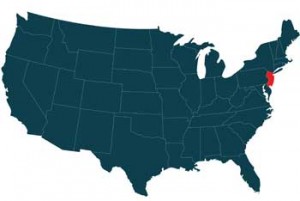
New Jersey controls emergency and warning lights mainly through vehicle status and Motor Vehicle Commission permits. The MVC issues red, blue and amber permits, while authorized police, fire and qualifying ambulance vehicles operate under separate emergency-vehicle rules. Ordinary vehicles remain subject to the general flashing-light restrictions in N.J.S.A. 39:3-54. A law approved January 12, 2026 created a narrow green-light rule for certain public and NJDOT-contracted snow and ice vehicles, but green must be used with the required amber warning lights. The table below separates the major vehicle classes, colors, permits and operating limits.
| Vehicle or industry type | Permitted or required colors | Core rule or limitation | Statute or authority |
|---|---|---|---|
| Police and law enforcement | Flashing red, or red and blue combined | Authorized emergency vehicle; no individual light permit for the police vehicle. | N.J.A.C. 13:24-2.2(b) |
| Fire department | Flashing red, or red and blue combined | Authorized fire apparatus may use the emergency-vehicle configuration without an individual light permit. | N.J.A.C. 13:24-2.2(b) |
| EMS and ambulance | Lighting meeting applicable ambulance standards | Licensed or otherwise qualifying ambulance units use the emergency-vehicle framework; no individual red/blue permit is required for the ambulance. | N.J.A.C. 13:24-2.2(f) |
| Volunteer responder / POV | Blue | MVC blue permit; use is tied to qualifying emergency response and the vehicle is limited to two blue warning lights. | N.J.S.A. 39:3-54.7 / MVC Form BLC-54 |
| Volunteer chief / first assistant chief POV | Red; siren may also be authorized | MVC red light and/or siren permit; the qualifying chief or officer uses a vehicle registered in the permit holder’s name. | N.J.S.A. 39:3-54.15 / MVC Form BLC-56 |
| Tow and road service | Flashing amber | Amber permit. Tow use is limited to the breakdown/collision scene and qualifying towing activity. | N.J.A.C. 13:24-4.1(a)1 / MVC BLS-34 |
| Construction and maintenance | Amber permit; hazard lamps may flash white/amber front and amber/red rear | Qualifying service, NJDOT and authority vehicles use the amber permit system; ordinary hazard-warning lamps follow the separate statewide hazard rule. | N.J.A.C. 13:24-4.1 / MVC BLS-34; N.J.S.A. 39:3-54(a) |
| Public utility employee POV | Amber | Permit is vehicle-specific. The removable roof light is limited to 7 1/2 inches and official-duty use. | N.J.S.A. 39:3-54.24 / MVC BLS-34 |
| Commercial snow removal / sanding | Flashing amber | Commercially registered qualifying vehicles use the amber permit system. | N.J.A.C. 13:24-4.1(a)3 / MVC BLS-34 |
| Public or NJDOT-contracted snow / ice removal | Amber plus green | Green needs no additional MVC permit, but it is limited to qualifying hazardous snow/ice operations and must accompany amber. | N.J.S.A. 39:3-54(c); P.L.2025, c.209 |
| Sanitation / solid-waste collection | Flashing amber | Required while collecting and while moving between collection stops at 10 mph or less under the statutory conditions. | N.J.S.A. 39:3-54.27 / P.L.2017, c.43 |
| Pilot and escort | Flashing amber through service-vehicle permit path | Escort-operation rules govern signs, flags and vehicle operation; amber authority comes through the MVC service-vehicle permit structure. | N.J.A.C. 13:18-1; N.J.A.C. 13:24-4.1 / MVC BLS-34 |
| Private security service | Flashing amber | Commercially registered security-service vehicles are an amber-permit category and may use the light only while providing qualifying security service. | N.J.A.C. 13:24-4.1(a)7 / MVC BLS-34 |
| Private passenger vehicle | Ordinary hazard lamps only | No general emergency-light permit for ordinary civilian use. Hazard-warning lamps may use white/amber to the front and amber/red to the rear. | N.J.S.A. 39:3-54(a); N.J.S.A. 39:3-50 |
How New Jersey's light permit system works
New Jersey uses three main MVC warning-light permits: red, blue and amber. The MVC Light Permits page confirms that red and blue permits are free, while amber costs $25 for each vehicle. The permits are not interchangeable because eligibility and operating conditions depend on the service being performed.
Blue permits use MVC Form BLC-54. The form requires municipal approval for qualifying volunteer responders, and the permit framework limits the vehicle to no more than two blue emergency warning lights. Red light and/or siren permits use MVC Form BLC-56. Amber applications use MVC Form BLS-34, which identifies eligible tow, service, snow-removal, security and government-related vehicle classes. The MVC states that an amber permit is valid for four years unless earlier canceled or revoked.
Police, fire, EMS and ambulance lights
New Jersey treats police and fire vehicles as authorized emergency vehicles rather than individual permit vehicles. Under N.J.A.C. 13:24-2.2(b), flashing red, or red and blue in combination, may be used by qualifying authorized emergency vehicles. That means a police cruiser or fire apparatus does not follow the volunteer blue-permit or chief red-permit application path.
The rule is vehicle-specific. New Jersey police lights used on an authorized police vehicle are governed by the emergency-vehicle rules, while a private vehicle with the same equipment is not transformed into a police vehicle. Ambulance and EMS lighting is addressed through the ambulance/emergency-vehicle standards referenced in N.J.A.C. 13:24-2.2(f) and official fire-safety guidance. Siren authority likewise depends on the vehicle or permit class; it should not be inferred merely from the presence of warning lights.
Can volunteer responders use blue or red lights in New Jersey?
Yes, but the color depends on the responder’s role. Qualifying active volunteer firefighters, first aid or rescue squad members, and qualifying emergency-management volunteers may apply for a blue permit. The BLC-54 framework limits the installation to no more than two blue warning lights and ties use to the authorized emergency-service purpose.
Red is narrower. The BLC-56 red light and/or siren permit is for qualifying chiefs and officers, including a volunteer fire chief or first assistant chief and qualifying chief officers of first aid or rescue squads. The permit does not give the driver a general exemption from traffic law. This distinction is important for anyone shopping for red flashing lights: equipment availability does not create the legal authorization to install or operate it.
Tow trucks and roadside service vehicles

New Jersey tow trucks and qualifying roadside service vehicles use flashing amber through the MVC amber-permit system. Form BLS-34 identifies commercially registered tow trucks as eligible and restricts tow-truck amber use to the accident or breakdown scene, preparation for removal, and the qualifying tow to storage or repair.
Service vehicles are a separate amber-permit category. Their light may be used where necessary to protect the public or service personnel while the vehicle is performing the qualifying service. The permit instructions also require permitted amber equipment to be positioned so at least one light is clearly visible from every direction. These rules are why a tow operator should not treat ordinary hazard flashers and a dedicated amber beacon as the same legal device.
Construction, maintenance and utility vehicle lights
New Jersey construction and maintenance vehicles generally work within the amber-permit system, while the statewide hazard-lamp statute supplies a separate white/amber front and amber/red rear warning signal. N.J.S.A. 39:3-54(a), as shown in the current P.L.2025, c.209 text, allows hazard-warning lamps to flash white or amber to the front and amber or red to the rear and requires visibility of at least 500 feet when lighted lamps are required.
For public utility employees using a personal or family vehicle on official duty, N.J.S.A. 39:3-54.24 creates a specific amber permit. The removable flashing or revolving light may not exceed 7 1/2 inches in diameter, must be controlled from inside the vehicle and must be displayed on the roof while operating. The official MVC utility notice confirms the $25 fee and four-year term, subject to earlier employment termination or permit cancellation.
Snow removal and sanitation vehicle lights
New Jersey separates commercial snow-removal vehicles from public or NJDOT-contracted snow and ice vehicles. A commercially registered snow-removal or sanding vehicle can qualify for an amber permit under N.J.A.C. 13:24-4.1(a)3.
Publicly owned and certain NJDOT-contracted snow and ice vehicles received a new green option through P.L.2025, c.209. Effective January 12, 2026, one or more green lights may be used without an additional MVC permit, but only during a qualifying hazardous snow or ice operation and only while the vehicle also displays the required amber warning light. Sanitation vehicles follow a different statute: P.L.2017, c.43 made flashing amber mandatory under the covered collection conditions, including movement between collection stops at 10 mph or less.
Pilot, escort and private-security vehicle lights
New Jersey pilot and escort vehicles combine two regulatory systems. N.J.A.C. 13:18 governs escort operations, including signs, flags and lighting-related operating requirements for oversize or overweight movements. The warning-light authority comes through the MVC service-vehicle amber-permit structure, because the permit instructions include commercially registered vehicles used to transport or escort over-dimensional loads.
Private security service vehicles also appear as an amber-permit category on BLS-34. A commercially registered vehicle owned or leased by a qualifying security business may use permitted amber while actually providing security service. New Jersey therefore does not create a general red- or blue-light privilege for security companies. The safe operational question is whether the specific vehicle and service qualify for the permit category, not simply whether the vehicle belongs to a security business.
Red and blue warning lights in New Jersey
Red
Red in New Jersey is strongly associated with authorized emergency vehicles and narrowly defined permit holders. Police and fire vehicles operate under the authorized-emergency-vehicle rules. Qualifying volunteer chiefs and certain rescue or first-aid chief officers use the red-permit route. An ordinary passenger vehicle has no general right to display a red emergency beacon merely because red equipment can be purchased.
Blue
Blue on a personal vehicle is a permit color for qualifying volunteer responders, not a general civilian color. BLC-54 requires the applicant to qualify through a recognized volunteer organization and receive the required municipal approval. The permit rules also control mounting and number of lights. A blue permit does not itself create police powers or a blanket traffic-law exemption.
Amber, yellow, white, green and purple warning lights
Amber and yellow
Amber is New Jersey’s principal work-vehicle warning color. Tow trucks, service vehicles, commercial snow-removal vehicles, security vehicles and several government or contractor classes can qualify for amber permits. Ordinary hazard lamps are different: N.J.S.A. 39:3-54(a) permits a front hazard signal in white, amber or a shade between them and a rear signal in amber, red or a shade between them. A dedicated warning lights installation still requires the vehicle to fit the applicable authorization.
White
White is lawful in ordinary headlamp and specified hazard-warning roles, but it is not a standalone general emergency-light color for a private motorist. The forward hazard-warning provision in N.J.S.A. 39:3-54(a) is the key statewide exception for simultaneous flashing white or amber hazard signals on an ordinary vehicle.
Green and purple
Green now has an express but narrow snow-and-ice authorization under N.J.S.A. 39:3-54(c). The vehicle must be within the public, authority, local-government or NJDOT-contracted classes listed in P.L.2025, c.209, be performing the qualifying hazardous operation, and display amber at the same time. No general statewide authorization for purple warning lights was identified in the current source set reviewed for this page. That absence is not permission to use purple; broader colored-light, flashing-light and vehicle-specific rules still apply.
New Jersey's Move Over law
New Jersey now requires drivers approaching a stationary vehicle displaying flashing or blinking lights to move over when safely possible or slow below the posted speed limit and be prepared to stop. P.L.2025, c.248 amended N.J.S.A. 39:4-92.2 effective January 12, 2026, replacing the older vehicle-category list with a broader rule keyed to a stationary vehicle displaying flashing or blinking lights.
If a safe lane change is impossible, prohibited by law or unsafe, the driver must reduce speed to a reasonable and proper speed below the posted limit and be prepared to stop. The current statute keeps the $100 to $500 fine and assesses two motor-vehicle penalty points after three or more violations within 12 months when the stationary vehicle was displaying the required flashing or blinking lights at the third or subsequent violation. The MVC also publishes Move Over guidance for motorists.
Penalties for illegal emergency lights in New Jersey
New Jersey uses different penalties for different permit systems. N.J.S.A. 39:3-54.13 provides that a person who is authorized under the volunteer blue-light act and willfully violates it is subject to a penalty of not more than $100 and may lose the light privilege. A person who is not authorized and willfully operates the covered emergency warning lights is subject to a penalty of not more than $200.
Amber permit misuse can carry a penalty of up to $100 and can lead to permit cancellation, suspension or revocation under the MVC permit materials. Move Over violations carry a separate $100 to $500 fine. Penalty analysis therefore must match the conduct to the correct statute rather than treating every illegal light as one offense with one universal fine.
Can civilians use emergency lights in New Jersey?
An ordinary New Jersey civilian does not have a general right to operate emergency warning lights on a public road. N.J.S.A. 39:3-54(a) generally prohibits flashing lights except for lawful turn signals, hazard-warning lamps and other specifically authorized equipment. Permit-based colors require the person and vehicle to qualify for the relevant permit or statutory class.
That does not make all flashing equipment unlawful. A passenger vehicle may use its approved hazard-warning system, and the statute defines the lawful front and rear hazard colors. ETD’s emergency lights and strobe lighting categories contain equipment for many vehicle classes, but product availability does not establish that a color, mounting location or flash pattern is legal for a particular New Jersey vehicle or use.
Do you need an amber permit for a work truck in New Jersey?
Usually, a dedicated flashing amber warning light requires an MVC amber permit when the work vehicle falls within a category listed in N.J.A.C. 13:24-4.1 and the BLS-34 instructions. Eligible classes include tow trucks, service vehicles, commercial snow-removal and sanding vehicles, security-service vehicles and specified government, authority and contractor employee vehicles.
The permit is not the same thing as the ordinary hazard-light authorization in N.J.S.A. 39:3-54(a). The MVC states that the amber permit costs $25 per vehicle and is generally valid for four years unless it is canceled or revoked. The operator must carry the permit while the amber light is displayed.
What changed in New Jersey warning-light law in 2026?
Two material warning-light changes took effect on January 12, 2026. P.L.2025, c.209 added green lights for qualifying public, authority, local-government and NJDOT-contracted snow and ice vehicles when amber is also displayed. P.L.2025, c.248 broadened N.J.S.A. 39:4-92.2 so the Move Over duty now applies when a driver approaches a stationary vehicle displaying flashing or blinking lights.
Neither change creates a general civilian emergency-light privilege. Green remains limited to the snow-and-ice vehicle classes and operating conditions in N.J.S.A. 39:3-54(c), while the Move Over amendment regulates approaching motorists rather than authorizing new warning-light equipment on private vehicles.
Pending New Jersey warning-light legislation
New Jersey has active 2026 proposals that could change who issues permits or who may use emergency warning lights. A2857 and S3307 would expand emergency-light eligibility to certain county fire and EMS coordinators. A4398 would shift specified red, blue and amber permit issuance from the MVC to local or State entities and revise related permit procedures. S4275 would create emergency-light and siren privileges for qualifying organ-procurement transportation. These measures were pending in the 222nd Legislature when checked August 20, 2026 and are not treated as current law on this page.
Frequently asked questions
Is it illegal to have blue lights on your car in New Jersey?
For an ordinary civilian vehicle, blue emergency warning lights are not generally authorized. Qualifying volunteer responders can obtain an MVC blue permit and must follow the permit’s eligibility, mounting and use restrictions.
How much does a New Jersey emergency light permit cost?
The MVC states that amber permits cost $25 per vehicle. Red and blue emergency light permits are free.
Can volunteer firefighters use red lights in New Jersey?
Only qualifying chief-level responders use the red light and/or siren permit route. Other qualifying volunteer responders generally use the blue-permit system for their personal vehicles.
Does New Jersey allow green warning lights on snow plows?
Yes, for the vehicle classes listed in N.J.S.A. 39:3-54(c). Since January 12, 2026, qualifying public and NJDOT-contracted snow and ice vehicles may add green during the covered hazardous operation, but amber must be displayed at the same time.
Do blue or red lights on a personal vehicle give the driver emergency driving privileges?
No general traffic-law exemption comes from merely holding a warning-light permit. The permit authorizes the specified equipment and use; it does not convert the personal vehicle into a police vehicle or create unlimited emergency-driving privileges.
What is the New Jersey Move Over fine?
New Jersey’s current Move Over statute sets a fine of $100 to $500. After three or more violations within 12 months, two motor-vehicle penalty points may also apply when the stationary vehicle was displaying the required flashing or blinking lights during the third or subsequent violation.
Product and category reference: police lights, tow truck lights, construction vehicle lights, utility vehicle warning lights, and pilot and escort vehicle lights are organized by vehicle type. Product availability does not establish that a color or lighting configuration is legal for a particular vehicle or use.
Author: Chris Dallmann, Founder and Executive Owner, Extreme Tactical Dynamics.
Chris Dallmann founded Extreme Tactical Dynamics in 2005 and oversees ETD’s emergency-vehicle-lighting and state-statute reference work. Chris Dallmann author profile and experience
Reviewed by: ETD Regulatory Compliance Team.
Last updated: August 20, 2026
Last reviewed: August 2026
Bordering states: New York | Pennsylvania | Delaware | all fifty state statute guides
Disclaimer: This page provides general information about statewide New Jersey vehicle-lighting law and is not legal advice. Local ordinances, agency rules, employer policies, permit conditions, private-property rules, and facts specific to a vehicle or incident may impose additional requirements. Confirm current requirements in the controlling New Jersey statutes and regulations, with the New Jersey Motor Vehicle Commission or other responsible state agency, or with qualified legal counsel before installing or operating warning lights.
Official sources: MVC Light Permits | BLC-54 Blue Permit | BLC-56 Red Permit | BLS-34 Amber Permit | P.L.2025, c.209 | P.L.2025, c.248 | P.L.2017, c.43 | NJDOT N.J.A.C. 13:18-1 | NJSP Contact