

Ford F-150
This page is built for the Ford F-150 Police Responder, not a civilian F-150 accessories search. If your unit is used for marked patrol, Slicktop supervisor response, traffic enforcement, rural patrol, lane protection, or mixed-duty police work, the lighting plan has to match what the truck must do after the stop, not just how it looks coming up in the mirror.
If you want the broad category view first, start with Police Lights.
If you want the wider fitment path first, use police cars, trucks, and SUVs.
A police pickup creates problems a sedan and even a patrol SUV do not. The truck is longer through the body, it presents more side surface to live traffic, and it has to preserve bed access, tailgate use, cargo workflow, and roadside work-area visibility. That is why the strongest F-150 Police Responder packages usually balance front recognition, traffic-level warning, body-side visibility, rear directional control, and usable scene lighting instead of trying to make one product do everything.
The tactical advantage of this platform is not just that it is a police truck. It is that current Ford police materials still support clean upfitter planning through Vehicle Integration System 2.0, Police Engine Idle, Dark Car Mode, spot-lamp options, factory wiring and lighting solutions, and Police Modifier Guides. That is why the best F-150 page should talk about clean upfitter integration, factory switch architecture, and serviceable installs, not just product size.
Shop by Category


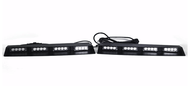
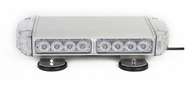
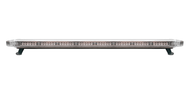

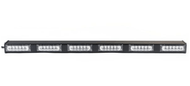

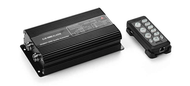
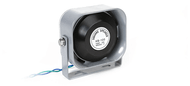
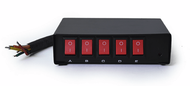


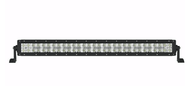
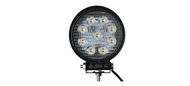
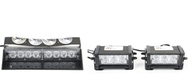
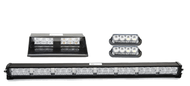
Best Ford F-150 Police Responder lights by job type
For a full overview of our emergency vehicle lights visit Extreme Tactical Dynamics home page.
Marked patrol or highway truck
What matters first: Distance recognition, front authority, strong lane presence.
Best first category: Police Light Bars
Best supporting strategy: Police Strobe Lights plus a real rear directional package featuring our updated 36-pattern controller with dual-memory recall for instant mode switching.
Slicktop supervisor truck What matters first: Clean profile, fast windshield punch, discreet off-mode appearance.
Best first category: Police Dash Lights
Best supporting strategy: visor lights coverage, rear-window warning, and selective hideaway support.
Traffic, lane-blocking, or roadside truck
What matters first: Stopped-scene protection, rear directional control, side read.
Best first category: Police Strobe Lights
Best supporting strategy: Directional traffic advisors, bed-end warning, and body-side visibility.
Rural patrol or perimeter truck What matters first: Dark-road awareness, scene usability, durable mounting zones.
Best first category: mini light bars for Ford F-150 Police Responder
Best supporting strategy: scene lights for Ford F-150 Police Responder with strong rear warning.
Mixed-duty utility or support truck What matters first: Preserve bed use, tailgate access, clean controls, serviceability.
Best first category: visor lights for Ford F-150 Police Responder
Best supporting strategy: Running-board or body-side warning plus compact rear work-zone coverage.
Arrival protection matters more than approach flash
On a Police Responder, the front of the truck gets attention during response, but the rear and side of the truck do more real safety work once the vehicle is parked. If the F-150 is angled behind a stop, shielding a shoulder, or holding a lane, the build needs rear directional warning that can manage traffic, not just announce presence. That is the difference between a truck package that looks aggressive and one that actually protects the officer after arrival.
Truck-side visibility is the gap most generic vehicle pages miss
Pickups create a longer side profile than sedans, and that longer wheelbase can leave a dead stretch between the front warning zone and the rear warning zone if the build ignores the body side. On this platform, running board lights, rocker-zone warning, bedside coverage, and other body-side solutions matter because approaching drivers do not only see the truck head-on. They read it while passing, merging, and drifting toward the shoulder.
Clean upfitter integration should shape the package before product selection
Fleet buyers do not just buy flash output. They buy control logic, install repeatability, and long-term serviceability. On the F-150 Police Responder, clean upfitter integration means planning the warning system around switch logic, factory switch architecture, console space, wiring paths, and how the truck will be serviced after deployment.
Because the F-150 uses an aluminum-alloy body, clean installs should prioritize non-magnetic mounting solutions, isolated brackets, and corrosion-resistant hardware instead of mixed-metal shortcuts that create corrosion or service headaches later.
That usually produces a better result than stacking products first and asking install questions later.
Marked, Slicktop, traffic, and rural F-150s should not share one answer
A marked patrol F-150 usually needs a clear overhead or upper-visual anchor and strong front-corner read. A Slicktop supervisor truck usually needs faster windshield output and cleaner off-mode appearance. A traffic unit needs a stronger rear and side plan. A rural or perimeter truck needs work-area visibility and placements that stay useful when the roadside gets dark, wide, or uneven.
The right answer on this platform is usually the one that preserves the truck’s job first and the lighting category second.
Color planning should follow deployment, not habit
For many marked patrol builds, Red and Blue Strobe Lights remain the clearest fit because immediate recognition matters. Some agencies and specialty units instead spec Red Strobe Lights or Blue Strobe Lights to match policy, assignment, or local standardization. Because rear directional color rules, flash rules, and warning-light use can vary by state, final build decisions should be checked against the State Statutes Guide before the package is locked.
Compare truck logic against sedan logic
If your agency is comparing how a police truck package differs from a pursuit sedan package, review Dodge Charger Pursuit lights
The Charger rewards rear-glass and rear-deck planning. The F-150 Police Responder needs more emphasis on body-side warning, rear directional control, and work-area usability.
Fleet and agency buying considerations
One F-150 is a fitment decision. A row of F-150s is a standardization decision. Once a department is rolling out multiple trucks, the conversation shifts toward control logic, repeatable installs, consistent side-warning strategy, rear-warning consistency, and serviceable wiring plans.
If the real buying intent is procurement-first, review law enforcement fleet lights
Frequently Asked Questions
What lights work best on the Ford F-150 Police Responder?
The best lights for the Ford F-150 Police Responder usually come as a layered package, not a one-product answer. Most builds work best with front recognition, body-side visibility, rear directional protection, and scene-ready lighting when the truck has real roadside duties.
What is the biggest mistake on an F-150 Police Responder build?
The biggest mistake is buying for approach instead of arrival. Many buyers overbuild the front of the truck and underbuild the rear and side zones that do more of the real protection work once the vehicle is stopped.
Why does side-profile warning matter more on a police truck?
Side-profile warning matters more on a police truck because the longer body can create a visibility gap between the front and rear warning zones. That gap becomes a safety problem when the truck is parked on a shoulder, shielding a lane, or read from an angle.
Does every Ford F-150 Police Responder need a roof bar?
No. A roof bar is often a strong answer for marked patrol or highway visibility, but some F-150 Police Responder builds work better with a Slicktop or lower-profile strategy built around windshield, visor, side, and rear warning.
What does Slicktop mean on this page?
Slicktop means a lower-profile build that does not depend on a dominant roof-mounted light bar. On an F-150 Police Responder, that usually means stronger windshield, visor, rear-window, body-side, and selective hideaway coverage.
Why does upfitter integration matter on this truck?
Upfitter integration matters because fleet buyers need more than bright output. They need repeatable installs, predictable switch logic, clean service access, and a warning layout that does not turn the truck into a wiring problem later.
Should scene lighting be part of the main package?
Yes, in many truck deployments it should. Scene lighting makes more sense on this platform than it does on many sedans because the F-150 is more likely to be used for rural patrol, roadside work, perimeter support, and mixed-duty response.
Should I start here or on the broader police vehicle pages?
Start here when the real buying question is Ford F-150 Police Responder lights for this exact truck. Start on the broader vehicle hub when the real question is how a police truck compares with SUVs and sedans before the exact model is chosen.