


North Carolina Emergency Vehicle Light State Statutes
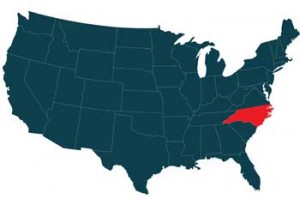 North Carolina sharply restricts red and blue emergency-style lights, while amber is the principal warning color for wreckers and many roadside or work vehicles. Under G.S. 20-130.1, blue is limited to law-enforcement use and unauthorized red or blue light violations are Class 1 misdemeanors. G.S. 20-130.2 requires wreckers to carry an amber flashing light visible for 500 feet in all directions and limits when flashing or strobing amber may be used while a vehicle is moving.
| Vehicle or industry type | Permitted or required colors | Core rule or limitation | Statute or authority |
|---|---|---|---|
| Police / law enforcement | Blue; red also excepted for police vehicles | Blue may be possessed/installed/used only for law-enforcement purposes within the statute. Red-light prohibition also contains police and highway-patrol exceptions. | G.S. 20-130.1 |
| Fire | Red; approved special warning equipment | Fire-fighting vehicles and members of municipal or rural fire departments performing duties are among the red-light exceptions. | G.S. 20-130.1; G.S. 20-125 |
| EMS / ambulance | Red; approved special warning equipment | Ambulances and EMS emergency support vehicles are listed exceptions. Sirens/special equipment are tied to authorized duties. | G.S. 20-130.1; G.S. 20-125 |
| Volunteer responder / POV | Red only when statutory role and duty conditions are met | Fire-department members may use red while performing duties; approved voluntary lifesaving organizations have a separate official-call exception. | G.S. 20-130.1 |
| Tow / road service | Amber required on wreckers | Wreckers need an amber flashing light visible 500 feet in all directions and must activate it at recovery scenes and specified wide-tow conditions. | G.S. 20-130.2 |
| Construction / maintenance | Amber commonly authorized | Maintenance and construction vehicles may be equipped with amber; flashing/strobing amber while moving is limited to listed conditions. | G.S. 20-130.2 |
| Utility | Amber when operating under qualifying roadside/service conditions | Amber may be used when the vehicle is performing intended service and traveling 15 mph or more below the limit or otherwise impeding traffic so as to create danger. | G.S. 20-130.2 |
| Pilot / escort | Flashing amber | NCDOT requires certified escort operators and specifies roof-top amber lights visible at least 500 feet in all directions. | NCDOT Publication E-9 |
| Private security | No specific statewide warning-light color authorization located | Do not treat silence as permission. Red and blue remain restricted, and general vehicle-lighting rules still apply. | G.S. 20-130.1; Chapter 20 lighting rules |
Police, Fire, and EMS Warning Lights
North Carolina reserves blue for law enforcement. G.S. 20-130.1(c) makes it unlawful to possess a blue light or to install, activate, or operate one on a vehicle except for a publicly owned law-enforcement vehicle or another vehicle being used by law-enforcement officers in official duties. The statute includes narrow inventory, sales-demonstration, and inoperable show-vehicle exceptions, but ordinary civilian possession or installation is not a safe loophole.
Red is broader but still restricted. G.S. 20-130.1(b) lists police and highway-patrol vehicles, ambulances, fire-fighting vehicles, EMS emergency support vehicles, organ-transport vehicles, certain emergency-management and public-safety vehicles, and other specified categories. G.S. 20-125 separately controls sirens and other special warning equipment and ties their use to authorized duties.
For authorized agency vehicles, police lights and fire truck lights should be selected to match the vehicle classification, agency policy, mounting needs, and the controlling North Carolina rules. Product categories do not determine whether a particular color or configuration is lawful.
Volunteer Responders and Personally Owned Vehicles
North Carolina does allow red warning lights on some privately owned responder vehicles, but only when the statutory role and operating condition are satisfied. G.S. 20-130.1(b)(8) covers a vehicle operated by a member of a municipal or rural fire department while performing duties. Subdivision (9) separately covers vehicles of a voluntary lifesaving organization, including members' private vehicles, when the organization is officially approved by local police authorities and the vehicle is being operated while answering an official call.
The key distinction is authorization plus duty status. A volunteer title alone does not create a general right to display red lights whenever the vehicle is driven. Department rules may be more restrictive than the statute. Authorized volunteers comparing equipment can review Volunteer Firefighter Lights, but the department or sponsoring agency should approve the final color and configuration before installation or activation.
Tow Trucks, Construction, Maintenance, and Utility Vehicles
North Carolina gives wreckers the clearest amber-light mandate. G.S. 20-130.2(a) requires every wrecker operated on state highways to have an amber-colored flashing light mounted so it is clearly visible in all directions from 500 feet. It must be activated at an accident or recovery scene and when towing a vehicle wider than 96 inches or wider than the towing vehicle.
The same statute allows similar amber warning lights on other vehicles, including DOT maintenance or construction equipment and private maintenance or construction vehicles. Subsection (b) then limits flashing or strobing amber while a vehicle is moving. Listed exceptions include emergency-response travel, loads over 102 inches, DOT-required use, a vehicle performing its intended service while traveling at least 15 mph below the posted limit or otherwise impeding traffic in a way that can create danger, and travel during a declared state of emergency.
For work fleets, Construction Vehicle Lights and Amber Strobe Lights are useful shopping paths after the legal operating condition is confirmed. Utility bodies and racks can also obstruct warning coverage, so Grille and Surface Mount Lights may supplement roof-level visibility when the configuration is lawful.
Pilot and Escort Vehicle Lighting
North Carolina pilot and escort vehicles operate under NCDOT certification and permit rules. NCDOT Publication E-9 requires an approved escort certification before performing oversize/overweight escort duties. It specifies a WIDE LOAD or OVERSIZE LOAD banner and flashing amber lights, rotating or strobe, positioned on top of the escort vehicle and visible at least 500 feet in all directions to approaching traffic.
NCDOT's Administrative Code publication also states that flashing amber lights are used as determined by the issuing permit office. That means the permit for the movement matters alongside the general escort-equipment rule. For compliant equipment comparisons after checking the permit, see Pilot Car Lights.
What Do Red and Blue Lights Mean in North Carolina?
 In North Carolina, blue is the strongest restricted-color signal because the statute ties it directly to law-enforcement use. G.S. 20-130.1(c) restricts possession as well as installation and operation. Red is also prohibited by default, but G.S. 20-130.1(b) provides a much longer list of emergency, fire, medical, public-safety, and special-purpose exceptions.
For authorized mixed-color law-enforcement builds, Red Blue Strobe Lights may fit department specifications. A Full Size Light Bars configuration can provide 360-degree warning coverage on marked units. Neither product type creates authorization by itself, and blue equipment should not be treated as a civilian accessory.
Amber, White, Green, and Purple Lights
North Carolina expressly regulates amber warning lights in G.S. 20-130.2. Amber is required for wreckers and permitted for a broader set of warning applications, but flashing or strobing amber while moving is limited by subsection (b). This makes amber a regulated warning color, not a blanket permission to flash while driving normally.
White lighting is governed by several general equipment rules. G.S. 20-130.3 prohibits willfully driving forward on a highway while displaying white or clear lights on the rear, except for the required license-plate light and backup lights used only in reverse. North Carolina does not establish a general statewide white-warning-light authorization comparable to the red, blue, or amber provisions.
No specific statewide vehicle warning-light authorization for green appears in the current Chapter 20 lighting provisions or the NCDOT escort rules cited on this page. That silence is not permission. Purple has one specific statewide use: G.S. 20-157.1 recognizes a flashing amber or purple light on the lead vehicle of a funeral procession. That funeral-procession rule should not be generalized to private-security or emergency-warning use.
Can Civilians Have Blue Lights in North Carolina?
No, not as a general rule. North Carolina G.S. 20-130.1(c) makes possession, installation, activation, or operation of a blue emergency-style light unlawful except for the law-enforcement uses and narrow exceptions written into the statute. A specially constructed show vehicle may qualify for the separate inoperable-blue-light exception only when inspected and registered as described in subsection (c1).
This restriction is broader than a simple ban on flashing a blue light in traffic. A civilian should not assume that keeping an operable blue unit switched off makes possession lawful. For authorized vehicle classes, emergency vehicle light equipment should be selected only after the applicable vehicle classification, agency authority, and color restrictions are confirmed.
Private Security Vehicles
North Carolina does not provide a specific statewide warning-light color authorization for ordinary private-security vehicles in the principal vehicle-lighting statutes cited on this page. Red and blue remain governed by G.S. 20-130.1, and amber operation is governed by G.S. 20-130.2. A private-property role, uniform, or security marking does not by itself create a statutory emergency-light exception.
Security operators should check property rules, employer policy, local ordinances, and any licensing requirements that apply to their work. Where the statute is silent on a proposed color or flash pattern, the correct conclusion is that no specific statewide authorization was located, not that the use is automatically legal.
Sirens, Light Bars, and Operating Limits
North Carolina restricts sirens and other special audible warning devices in G.S. 20-125. Vehicles and officials listed in subsection (b) may be required or authorized to carry approved special lights, bells, sirens, horns, or exhaust whistles, with use tied to the performance of authorized duties. Ordinary vehicles may not treat a siren as general equipment.
The state also has a separate rule for certain light bars. G.S. 20-130(f) bars most motorists from driving on state highways while using a defined light-bar lighting device, while excluding specified emergency vehicles and stating that the subsection does not restrict a light-bar device with strobing lights. That language does not override the red, blue, amber, or other color restrictions elsewhere in Chapter 20. For an authorized application, a strobe light must still comply with the vehicle-specific color and operating rules.
North Carolina Move Over Law
North Carolina requires drivers approaching a qualifying stopped emergency or public-service vehicle to move over when it is safe or slow down and be prepared to stop. G.S. 20-157(f) applies when the vehicle is parked or standing within 12 feet of the roadway and giving an appropriate warning-light signal. The public-service definition includes vehicles assisting with wrecked or disabled vehicles, utility-service vehicles, refuse/recycling vehicles, and qualifying highway-maintenance vehicles.
The same section also controls yielding to approaching emergency vehicles using both an appropriate light and an audible warning device. Subsection (a) requires other drivers to move to the right edge or curb and stop, subject to the divided-highway exception written into the law.
Penalties for Illegal Warning-Light Use
Unauthorized red or blue emergency-style lights can carry criminal consequences in North Carolina. G.S. 20-130.1(e) makes violations of the red-light prohibition in subsection (a) or blue-light restriction in subsection (c) a Class 1 misdemeanor.
Move Over violations have a separate penalty structure. Under G.S. 20-157, most violations covered by subsection (g) are infractions punishable by a $250 fine. A violation causing more than $500 in property damage or causing injury to a listed responder can become a Class 1 misdemeanor. A violation causing serious injury or death to a listed responder is a Class F felony, and the Division may suspend the driver's license for up to six months.
Permits, Agency Verification, and Official Contact
North Carolina does not use one general permit that authorizes every emergency-light installation. Authorization usually comes from the vehicle's statutory classification, the operator's official role, and agency or employer authority. Pilot and escort work is different because NCDOT escort certification and permit requirements apply directly to oversize/overweight escort operations. Voluntary lifesaving organizations also have a specific local-police-approval condition in G.S. 20-130.1(b)(9).
For official statewide verification, contact the North Carolina State Highway Patrol main office at (919) 733-7952. The number is published on current NCSHP materials. Local ordinances, agency rules, employer policies, permit conditions, and private-property rules may impose additional requirements.
Bordering-State Rules for Multi-State Operations
North Carolina borders Virginia, Tennessee, Georgia, and South Carolina. Fleets that cross state lines should check Virginia emergency vehicle light laws, Tennessee emergency vehicle light laws, Georgia emergency vehicle light laws, and South Carolina emergency vehicle light laws before activating warning equipment outside North Carolina. A color or flash pattern authorized in one state may be restricted in the next.
Choosing Warning Lights After You Verify Authorization
Once the vehicle class and operating conditions are verified, buyers can compare LED Warning Lights by mounting location and coverage need. The product catalog at Emergency Vehicle Lights also provides a broad starting point for police, fire, EMS, tow, construction, and utility applications. Product availability does not establish that a color or lighting configuration is legal for a particular vehicle or use.
Frequently Asked Questions
Can I install blue lights on my personal vehicle in North Carolina?
No. North Carolina generally prohibits civilian possession, installation, activation, or operation of a blue emergency-style light on a vehicle, subject only to the narrow exceptions in G.S. 20-130.1(c) and (c1).
Can a volunteer firefighter use red lights on a personal vehicle?
Yes, when the statutory conditions are met. G.S. 20-130.1(b)(8) exempts vehicles operated by members of municipal or rural fire departments while they are performing their duties.
When must a North Carolina wrecker use amber lights?
A wrecker must use its required 500-foot-visible amber flashing light at an accident or recovery scene and when towing a vehicle wider than 96 inches or wider than the towing vehicle.
Can I drive with flashing amber lights on?
Only when a listed exception applies. G.S. 20-130.2(b) restricts flashing or strobing amber while a vehicle is moving unless the vehicle falls within one of the statute's specified conditions.
Are purple warning lights legal in North Carolina?
Purple has a specific statewide use for funeral processions. G.S. 20-157.1 allows the lead vehicle of a funeral procession to display a flashing amber or purple light, but that does not create a general purple emergency-light authorization.
What is the penalty for illegal red or blue lights?
A violation of the red-light prohibition or blue-light restriction in G.S. 20-130.1 is a Class 1 misdemeanor.
Author and Review Information
Author: Authored by Chris Dallmann, Founder and CEO of Extreme Tactical Dynamics. Chris founded ETD in 2005 and has more than 20 years of experience serving emergency, municipal, and work-vehicle lighting customers.
Reviewed by: ETD Regulatory Compliance Team
Last updated: August 25, 2026
Last reviewed: August 25, 2026
Disclaimer
This North Carolina emergency vehicle lighting law summary is provided for general informational purposes only and is not legal advice. Statutes, regulations, permit conditions, local ordinances, agency rules, and enforcement practices can change and can depend on the vehicle and facts involved. Verify current requirements with the controlling North Carolina authorities, the applicable agency or permit office, or qualified legal counsel before purchasing, installing, or using warning-light equipment.