

Police Cars, Trucks, and SUVs
Different police vehicles need different lighting strategies. A patrol SUV, a pursuit sedan, and a special-service truck do not use warning lights the same way because they create different mounting options, sightlines, cargo demands, electrical integration needs, and rear-warning priorities.
This page is built around real police-package vehicles used by departments today, not civilian trims. If you want the broader category view first, start with Police Lights. If you already know you need to shop by patrol platform, this page is the better place to narrow the right setup before moving into the exact model page.
Why Police Vehicles Need Different Lighting Setups
Police lighting works best when it matches the job of the vehicle. A marked patrol SUV usually needs broad front and rear coverage with enough height to stay visible over traffic. A police truck often needs stronger rear visibility, better work-area lighting, and a setup that does not fight bed access or utility use. A pursuit sedan usually rewards a cleaner, lower-profile package with fast front warning, strong rear-deck coverage, and compact traffic-level lighting.
Vehicle-specific planning is also about more than brackets and available mounting space. Fleet buyers and upfitters need to think about how warning lights integrate with the vehicle’s electrical system, factory controls, and switch architecture. On modern police-package vehicles, clean upfitter integration matters because the best setup is not just bright. It also needs to work predictably with factory upfitter switches, siren controls, and repeatable fleet installation standards.
That is why this page sits between the broad Police Lights hub and the exact vehicle pages. It helps you choose the right path by body style first, then sends you to the police-package model that matches the vehicle you actually run.
If you are outfitting police-specific vehicles used by departments, the biggest questions are usually the same. Does the vehicle need a fully marked package or a lower-profile setup? Will it spend time on traffic stops and active roads where rear warning matters more? Does it need a strong overhead presence, or will windshield, visor, grille, and rear warning do the job better? Will the build need to tie into factory upfitter switches for cleaner installation and control? Once those decisions are made, the rest of the product choice gets much easier.
Related product paths: Police Light Bars, Police Dash Lights, Police Strobe Lights, Red and Blue Strobe Lights, Red Strobe Lights, and Blue Strobe Lights.
Compare Police Vehicle Lighting by Body Style
| Vehicle Type | Typical Roles | Common Mounting Zones | Best Starting Product Types | Best First Step |
|---|---|---|---|---|
| Police SUVs | Patrol, traffic, supervisor, K-9, command, mixed-duty response | Roofline, windshield, visor, grille or push bumper, rear glass, rear hatch, rear quarter positions | Police Light Bars, Police Dash Lights, visor lights, Police Strobe Lights, traffic advisors | Choose the exact SUV platform first, then build around front, side, and rear visibility. |
| Police Trucks | Rural patrol, support, utility policing, mixed-surface duty, special-service roles | Roofline, windshield, visor, grille, bumper, body side, rear body, bed-end, running boards, work-area positions | Mini light bars, Police Strobe Lights, hideaway lights, scene lighting, sirens | Balance warning output with durability, side-profile visibility, rear visibility, and utility access. |
| Police Sedans and Performance Units | Pursuit, traffic enforcement, highway use, supervisor response, specialty assignments | Windshield, visor, roofline, grille, lower front fascia, rear deck, rear glass, compact rear positions | Police Dash Lights, visor lights, Police Strobe Lights, hideaway lights, traffic advisors | Keep the build fast, clean, and highly visible without wasting cabin space. |
Police SUVs
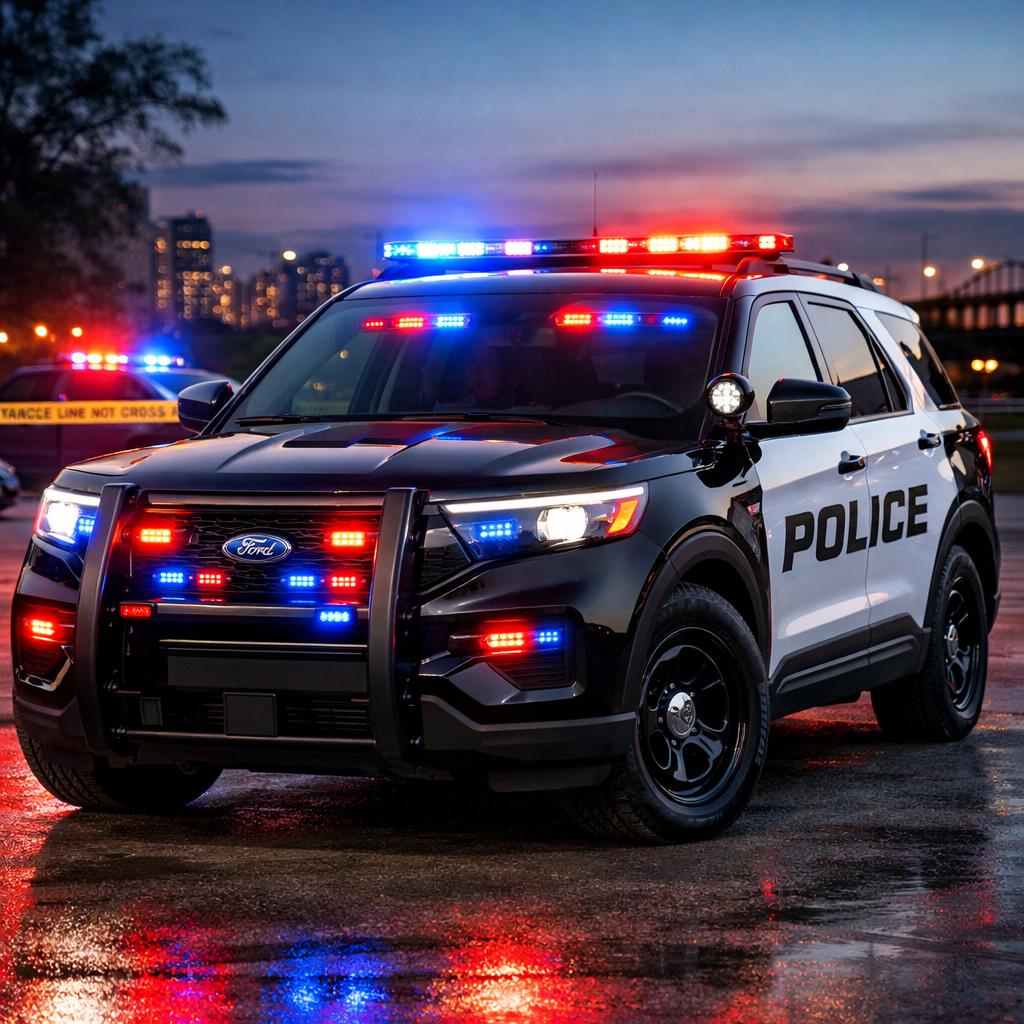
Police SUVs give departments flexibility. They usually offer more mounting space, stronger rear-warning options, better cargo capacity, and more room to layer front, side, and rear coverage than a sedan. That is why they are often the backbone of patrol fleets.
If you are outfitting an SUV platform, your first goal is usually balance. You want enough forward warning to get attention fast, enough traffic-level lighting to improve driver response, and enough rear warning to keep the vehicle visible during stops, blocking positions, and roadside work. Many police SUVs work best when the setup starts with Police Light Bars or a cleaner windshield package, then adds Police Strobe Lights, rear warning, and traffic advisors where traffic control matters.
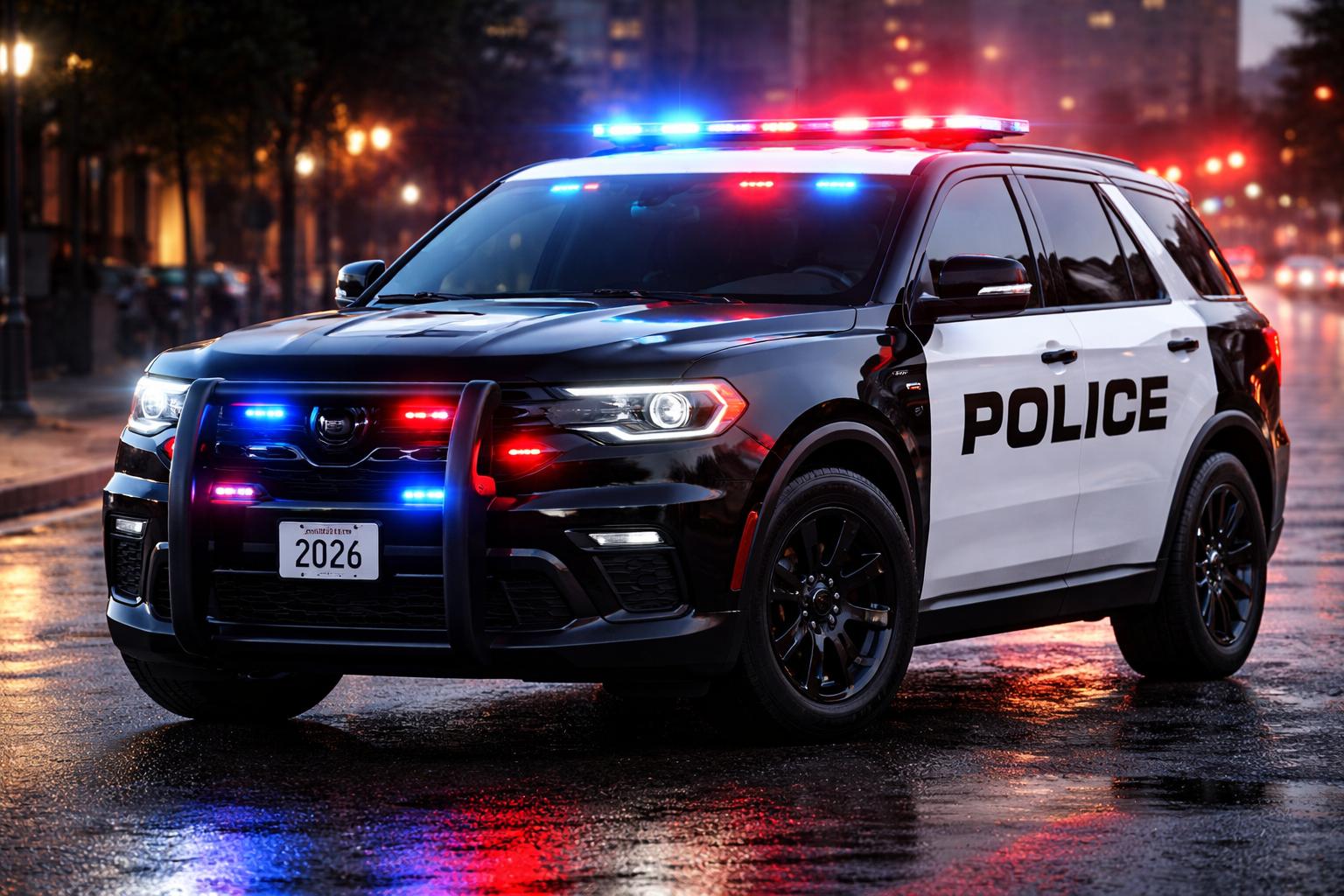
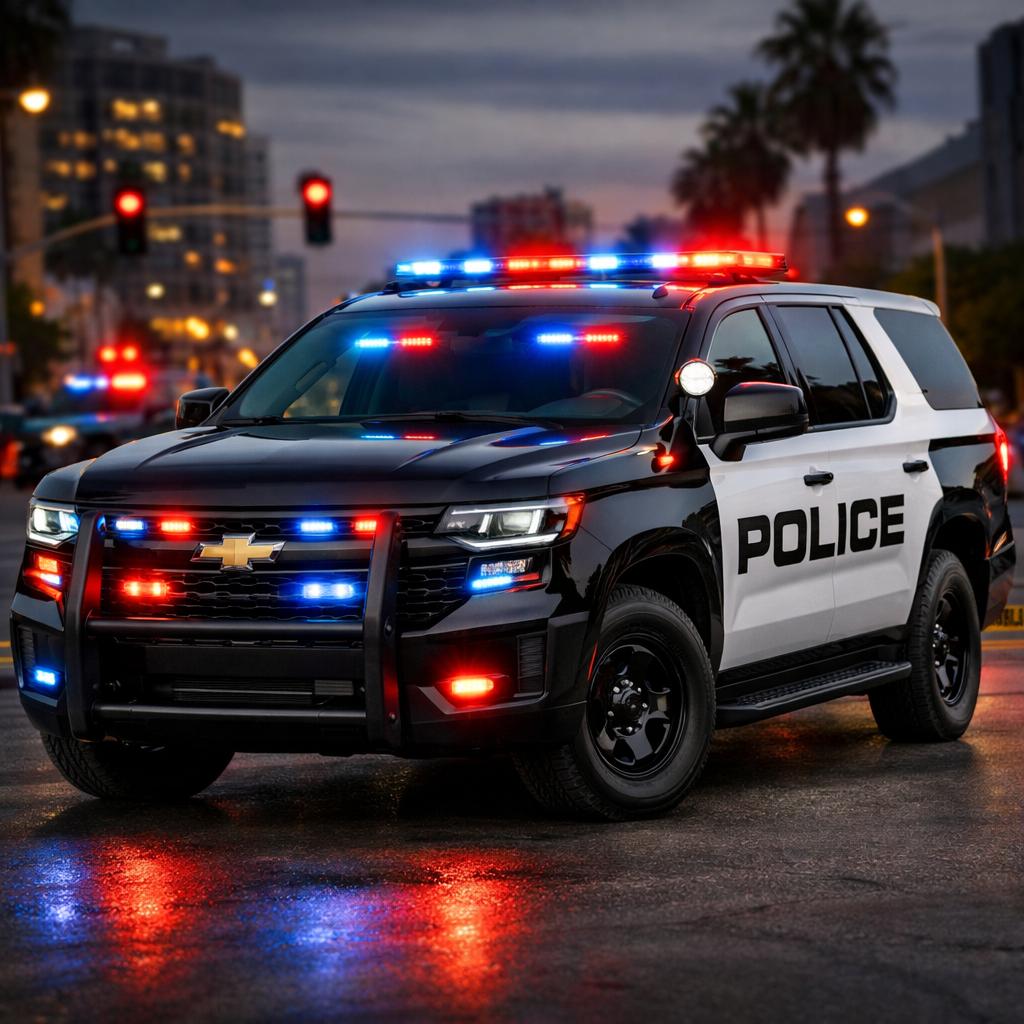
SUV-based police-package vehicles on this page include Ford Police Interceptor Utility lights, Chevy Tahoe PPV lights, and Dodge Durango Pursuit lights.
The Dodge Durango deserves special mention as a pursuit-rated SUV. Buyers looking at Durango builds are usually comparing speed, handling, and command presence along with fitment. That makes lighting strategy especially important because a pursuit-rated SUV still has SUV-specific needs for roofline visibility, rear warning, and side coverage, even when the performance reputation of the platform is part of the buying decision.
Police Trucks
Police trucks solve different problems than sedans and SUVs. They are often chosen for rural coverage, support roles, special-service assignments, mixed-duty patrol, and work that needs utility as much as speed. That changes what matters in a lighting package.
A police truck build usually needs warning that stays visible from farther back, compact lighting that works around the front profile and body, and stronger planning for rear warning and scene use. Truck setups often lean on mini light bars, Police Strobe Lights, hideaway lights, and scene lighting more often than a sedan does.
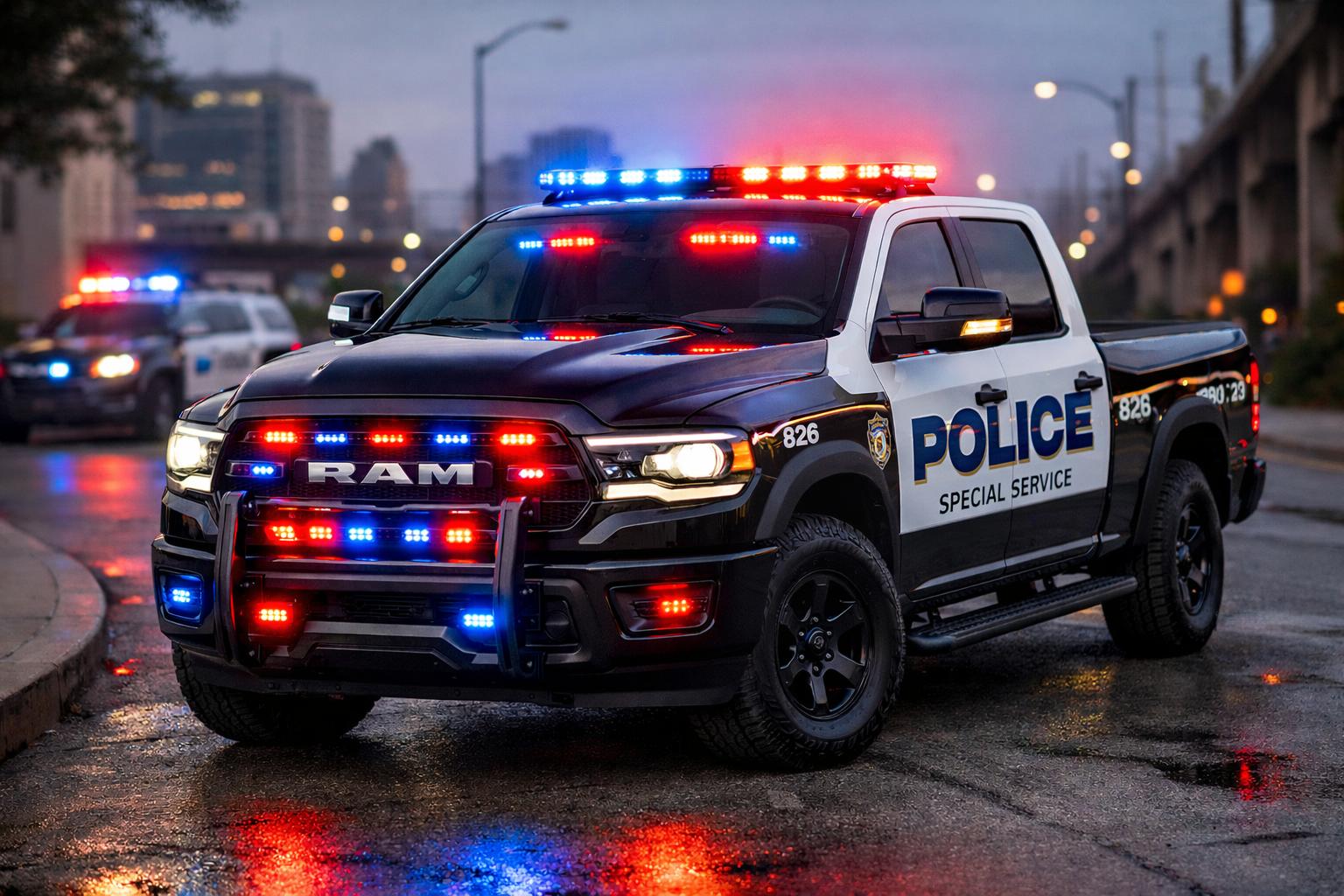
Police trucks also need deliberate side-profile visibility. Because a truck has a longer wheelbase and more body length than a sedan, side warning can become a real-world safety gap if the build focuses too heavily on only the front and rear. Running-board lights, side-mounted warning, and well-placed body-side lighting help close that gap and improve visibility during angled stops, roadside scenes, and multi-lane traffic exposure.
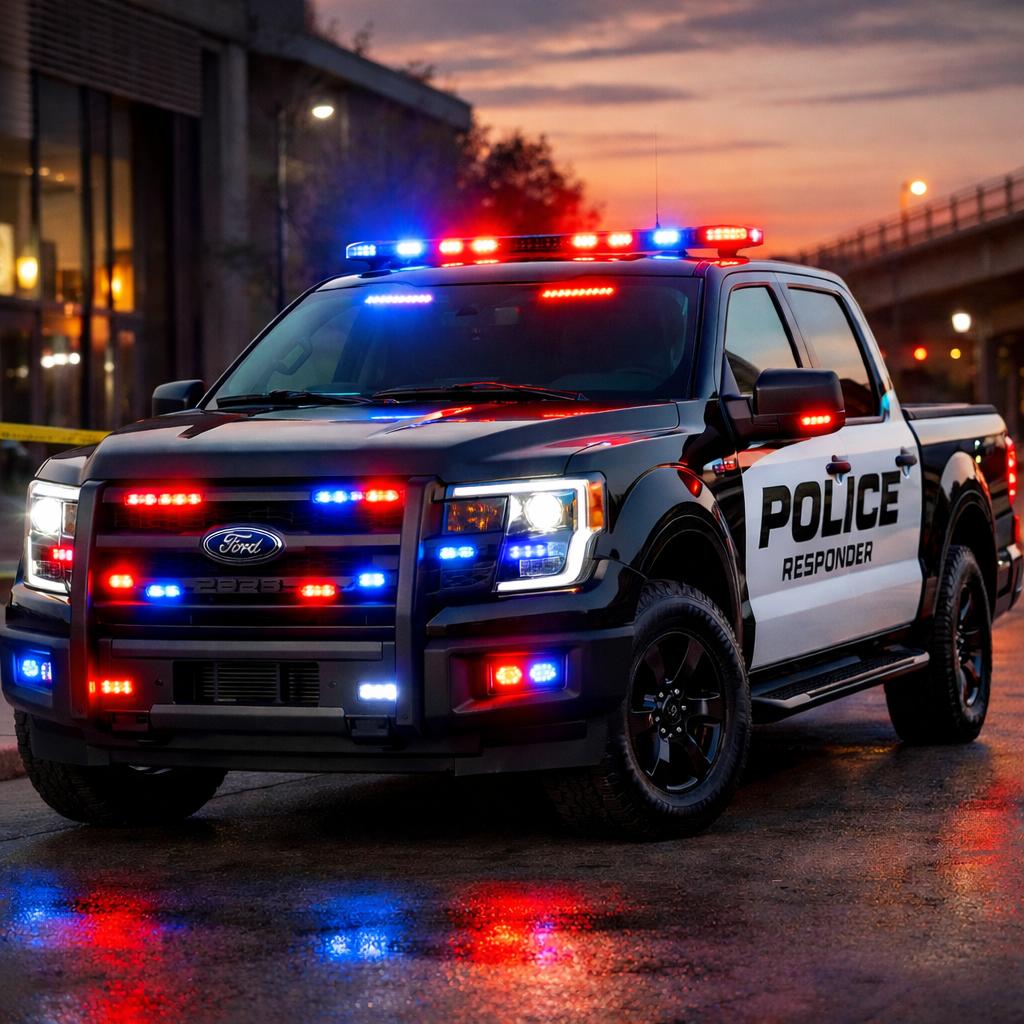
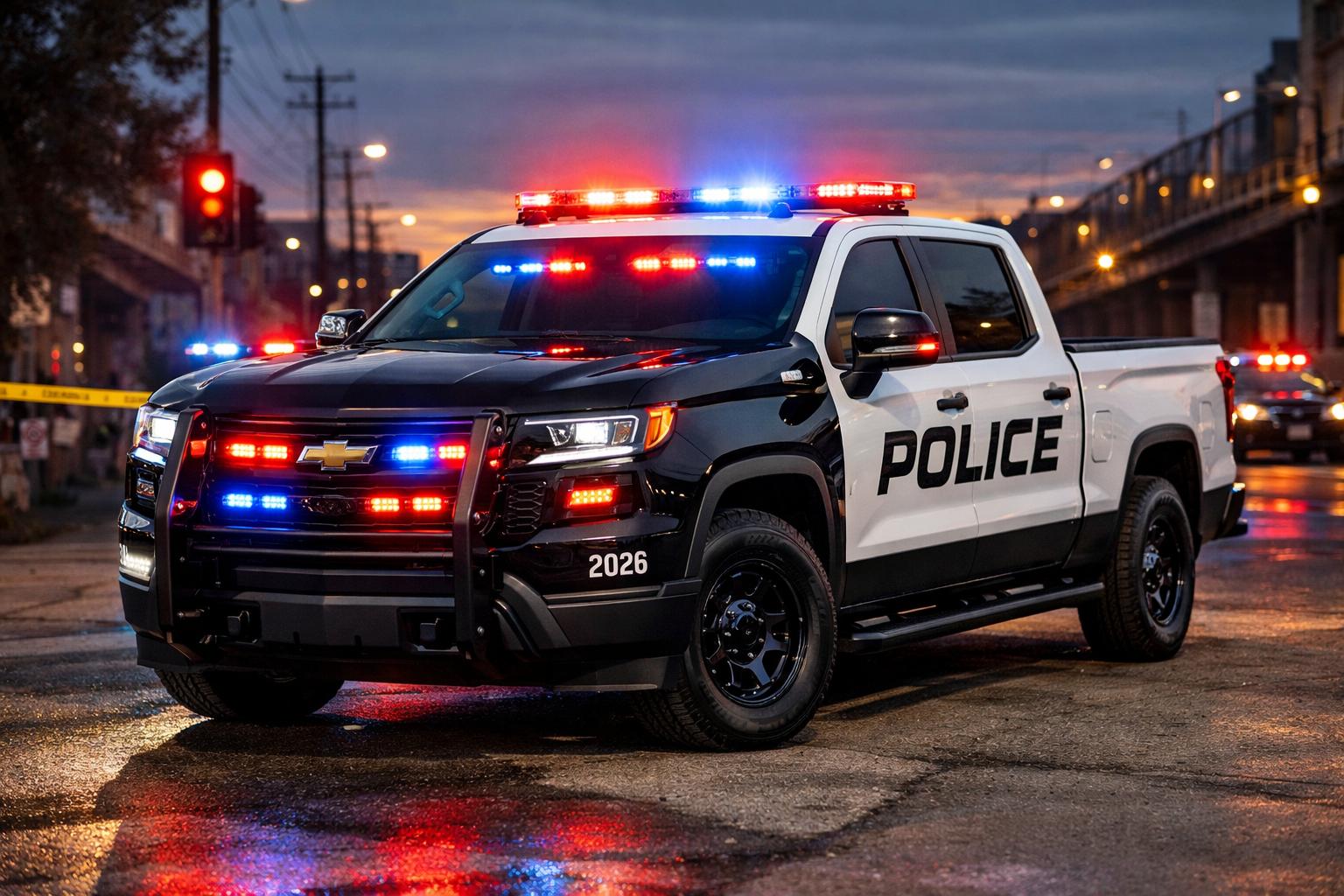
Truck-based police-package vehicles on this page include Ford F-150 Police Responder lights, Chevy Silverado PPV lights, and Ram 1500 Special Service lights.
Police Sedans and Performance Patrol Units
Police sedans and performance-oriented platforms usually reward a tighter, more efficient setup. They tend to benefit from strong windshield and visor coverage, compact traffic-level front lighting, and rear-deck or rear-glass warning that stays effective during stops and traffic work.
These platforms often do not need the same kind of utility-focused layout as a truck or the same rear-hatch strategy as a full-size SUV. They need fast warning, clean packaging, and smart use of limited space. That is why sedan setups often start with Police Dash Lights, visor lights, Police Strobe Lights, and rear-warning tools like traffic advisors.
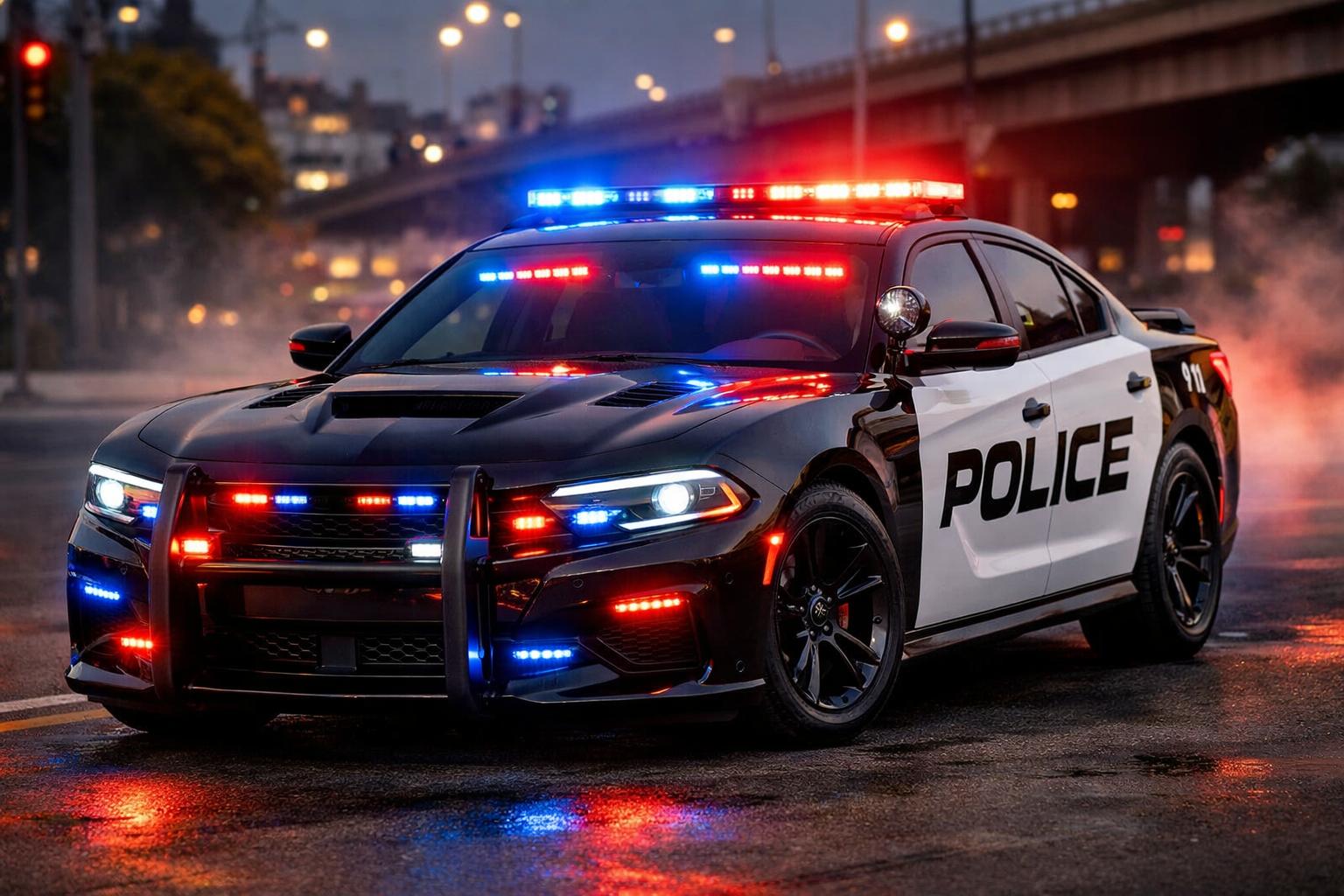
Rear-deck visibility is especially important on police sedans, and it matters even more on the Dodge Charger. The higher rear deck on a sedan can create a warning blind spot compared with SUV hatch glass, so buyers should think carefully about how rear-deck lights, rear-glass lighting, and traffic advisors work together. On traffic stops and highway shoulders, that added rear-directional warning helps reinforce officer safety and improves approaching-driver awareness.
Sedan and special-service performance platforms on this page include Dodge Charger Pursuit lights.
Shop by Exact Police Vehicle Model
If you already know which police-package platform you need, this page should send you straight to the exact spoke instead of forcing you to dig through generic product categories first.
Ford Police Vehicles
Ford departments and fleets often start with SUV, truck, or special-service EV needs. For a patrol SUV, go to Ford Police Interceptor Utility lights. For a police truck, go to Ford F-150 Police Responder lights..
Ford fleet buyers also tend to care about upfitter compatibility because many installations are built around factory switch banks and repeatable wiring logic. That makes clean electrical planning part of the buying conversation, not just a post-purchase install issue.
Chevy Police Vehicles
Chevy police-package vehicles cover full-size patrol SUVs, police trucks, and newer EV enforcement platforms. For a patrol SUV, go to Chevy Tahoe PPV lights. For a police truck, go to Chevy Silverado PPV lights.
Dodge and Ram Police Vehicles
For agencies using Dodge and Ram police-package platforms, the right path depends on whether the vehicle is a sedan, SUV, or special-service truck. For a pursuit sedan, go to Dodge Charger Pursuit lights. For a pursuit-rated SUV, go to Dodge Durango Pursuit lights. For a special-service truck, go to Ram 1500 Special Service lights.
Marked vs Unmarked Police Vehicle Setups
A marked vehicle and an unmarked vehicle should not be built the same way, and neither should a true slicktop setup.
Marked patrol units usually need more obvious visibility, stronger roof presence, more rear warning, and faster recognition in traffic. Those builds usually lean more heavily on Police Light Bars, broader traffic-level warning, and sirens.
Slicktop and unmarked builds usually depend more on interior warning, discreet mounting, and compact lighting that stays useful without turning the vehicle into a full marked unit. For departments building lower-profile vehicles, the goal is usually to preserve a cleaner exterior profile while still creating effective front, side, and rear warning when the lights are activated.
That is where Police Dash Lights, discreet visor lighting, compact Police Strobe Lights, and rear-window or rear-deck lighting often make more sense than a full roof-bar package. If your real buying intent is covert or hidden warning, review undercover police lights for the dedicated unmarked branch of the cluster.
How to Choose the Right Lighting Path for Your Police Vehicle
Start with the job of the vehicle, then narrow by body style, then choose the exact platform.
If the vehicle is a patrol SUV, think first about front-to-rear balance. If it is a police truck, think about rear visibility, side-profile visibility, utility access, and work-area lighting. If it is a sedan or performance unit, think about fast front warning, clean packaging, and rear-deck or rear-glass visibility.
Also think about installation repeatability. For fleet and agency buyers, the right build is not only about where the lights fit. It is also about how easily the system integrates with siren controls, power management, and factory upfitter switching so the vehicle can be serviced and repeated across the fleet.
Most buyers make better decisions when they keep the process simple. Choose the vehicle type. Decide whether the build is marked, slicktop, or unmarked. Decide where the main warning needs to live: roofline, windshield, visor, grille, rear glass, body side, or a mix of zones. Then move into the exact model page and the right product categories from there.
Fleet and Agency Buying Considerations
If you are buying for one vehicle, body style and exact platform are usually the main questions. If you are buying for a department or multi-vehicle rollout, consistency matters just as much as platform fitment.
Fleet buyers often need a repeatable plan that works across patrol SUVs, trucks, sedans, supervisor vehicles, and lower-profile units without creating a mess in installation, controls, or long-term maintenance. That is one reason upfitter integration matters so much. A repeatable electrical plan that works with factory switch systems and standard operating layouts saves time during installation and makes future service easier.
If your primary need is procurement, repeatability, or department-level purchasing, review law enforcement fleet lights. That page is the better path for agency vehicle lighting and broader procurement intent.
Why Shop Police Vehicle Lights by Platform
Shopping by police-package platform reduces guesswork. It helps you narrow which lighting categories make sense before you start comparing products, and it keeps you from forcing a truck strategy onto a sedan or a sedan strategy onto a patrol SUV.
That matters because the best lighting package is not just the brightest one. It is the one that fits the vehicle, the assignment, the electrical plan, and the way officers actually use that platform in the field.
If you want the broadest category entry point, go back to Police Lights. If you already know your platform, use the vehicle links on this page to move into the exact police-package model.
Frequently Asked Questions
What are the most common police vehicles used by departments today?
Common police-package vehicles include the Ford Police Interceptor Utility, Ford F-150 Police Responder, Chevy Tahoe PPV, Chevy Silverado PPV, Chevy Blazer EV PPV, Dodge Durango Pursuit, Ram 1500 Special Service, Dodge Charger Pursuit, and Ford Mustang Mach-E GT for special-service use. This page focuses on those police-specific platforms rather than civilian trims.
Do police sedans, SUVs, and trucks need different lighting setups?
Yes. The body style and duty role of the vehicle change where warning lights work best and which categories matter most. Sedans usually focus more on fast front warning and rear-deck coverage. SUVs usually need stronger front-to-rear balance. Trucks often need more planning around side visibility, rear warning, utility access, and work-area lighting.
What lights work best on police SUVs?
Most police SUVs use a layered setup that may include Police Light Bars or a lower-profile front-warning package, traffic-level front lighting, and strong rear visibility. The exact mix depends on whether the vehicle is marked, slicktop, supervisor, or low-profile.
What lights work best on police trucks?
Police trucks usually work best with a setup that balances visibility and utility. Many truck builds benefit from compact overhead warning, traffic-level front lighting, rear warning, side-profile lighting, and work or scene lighting where the vehicle is used in mixed-duty environments.
What lights work best on police sedans and performance patrol vehicles?
Sedans and performance-oriented police vehicles usually benefit from windshield, visor, grille, rear-deck, and rear-glass coverage that keeps the build clean and effective without wasting space. On sedans like the Charger, rear-deck visibility and traffic-advisor placement are especially important during traffic stops.
Can the same lights be used across different police vehicles?
Some products can be used across multiple police vehicles, but that does not mean the setup should be the same. Placement, visibility, rear-warning needs, side coverage, and the way the vehicle is used will change which products work best and where they should go.
Should I start here or on the main police lights page?
Start here if your main question is which lighting path fits your police car, truck, or SUV. Start with Police Lights if your main question is which category of warning light you want to shop across the full ETD catalog.